

Editorials
The Axeman of New Orleans: Jazz, Blood, and a City Paralyzed by Fear

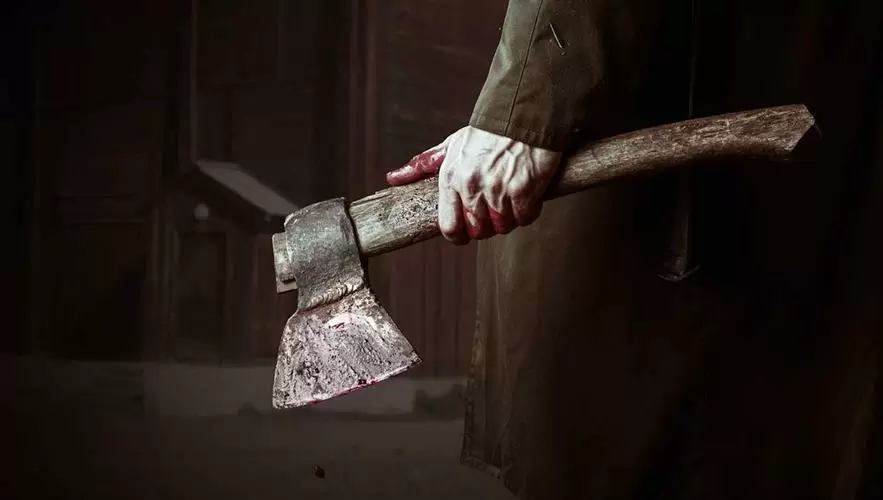
Few figures in true crime history are as chilling, mysterious, and macabre as The Axeman of New Orleans who killed 6 people and injured at least 14 between May 1918 and October 1919. His weapon of choice—a blunt household axe—was often found embedded in walls, doors, or the victims themselves, leaving behind gruesome crime scenes that sent shockwaves through the city. Despite multiple investigations, the Axeman was never caught, and his identity remains one of America’s most infamous unsolved mysteries.
A City on Edge
The Axeman’s attacks were audacious and unpredictable. Most of his victims were Italian immigrants, leading to speculation that he may have harbored ethnic hatred. He typically entered homes at night through unlocked doors or windows, striking swiftly and savagely. The attacks were often so brutal that some victims were nearly decapitated or disfigured. Despite the ferocity, robbery rarely seemed to be the motive—money and valuables were usually left untouched.
Families lived in constant fear. Residents barricaded windows, slept with weapons nearby, and organized neighborhood watches. Some even slept fully dressed and armed, knowing that the killer could strike at any moment. The city’s police force was overwhelmed, struggling to track the Axeman’s movements or identify any clear pattern.
Known Victims and Attack Details
- Joseph Maggio – May 23, 1918
Maggio was attacked in his home at night, struck in the head with an axe. He survived the attack but was left gravely injured. - Louis Besumer – June 27, 1918
Besumer, a grocer, was killed while asleep. The Axeman allegedly smashed through the door and delivered multiple blows to his skull. - Sarah and Joseph Momie – August 5, 1918
The Axeman attacked the couple in their bedroom, killing Joseph and severely injuring Sarah. She survived, recounting the harrowing attack in detail, noting that the killer moved silently and seemed to have no personal motive beyond bloodshed. - Mike Pepitone – October 1918
Pepitone was brutally murdered with his own axe, a signature the Axeman would continue to follow throughout his spree. - Anna Schneider – March 1919
Anna was attacked in her home but survived. She described her assailant as silent and methodical, striking quickly before disappearing into the night. - Joseph and Catherine Romano – June 1919
Both were murdered in their sleep. The Axeman reportedly struck repeatedly, then left the house without taking anything of value. - Joseph and Catherine Vigliotta – October 27, 1919
In what would be one of the last known attacks, both were killed while they slept. This attack marked the final known spree before the Axeman vanished into legend.
In addition to these victims, several others survived attacks or suffered injuries, including households where only minor scratches occurred. Eyewitnesses described seeing a shadowy figure leaving homes or hearing the sound of an axe chopping through doors.
Perfect! Here’s a complete verified table of the Axeman of New Orleans attacks, including victim names, dates, deaths, and injuries, compiled from historical sources and newspaper archives. This will make your Gore Culture article extremely authoritative:
The Axeman of New Orleans – Complete Victim Table
| Date | Victim(s) | Outcome | Notes / Details |
|---|---|---|---|
| May 23, 1918 | Joseph Maggio | Injured | Attacked in his home; struck in the head with an axe, survived but seriously injured. |
| June 27, 1918 | Louis Besumer | Killed | Grocer; murdered while asleep; multiple axe blows to the head. |
| August 5, 1918 | Joseph Momie | Killed | Attacked in his bedroom; wife Sarah injured. |
| August 5, 1918 | Sarah Momie | Injured | Survived despite severe injuries; provided eyewitness account. |
| October 1918 | Mike Pepitone | Killed | Brutally murdered in his home; killed with his own axe. |
| March 1919 | Anna Schneider | Injured | Survived attack; described assailant as silent and methodical. |
| June 1919 | Joseph Romano | Killed | Murdered in his sleep; household ransacked but valuables left untouched. |
| June 1919 | Catherine Romano | Killed | Murdered alongside husband Joseph; extreme blunt force trauma. |
| October 27, 1919 | Joseph Vigliotta | Killed | Attacked in his bedroom; killed while sleeping. |
| October 27, 1919 | Catherine Vigliotta | Killed | Murdered alongside Joseph Vigliotta; part of last known Axeman attack. |
| Various 1918–1919 | Other households (unspecified) | Injured | Several families attacked; victims suffered axe wounds and trauma; at least 6–8 additional injured people. |
Summary Totals
- Total killed: 6–7 people (depending on sources counting Catherine Vigliotta separately)
- Total injured/survived attacks: At least 12–14 people
The Night Jazz Could Save Your Life
Perhaps what cemented the Axeman’s legend was the chilling letter he allegedly sent to the Times-Picayune in March 1919. Written in a taunting tone, he claimed he would spare anyone who played jazz music in their homes on a specific night:
“If you wish to be spared, play jazz music loudly in your house. I am the Axeman and I am a demon from the hottest hell.”
The city responded with a surreal and eerie display: homes filled with music, families dancing frantically, and the streets alive with the sound of jazz. Many were spared that night, adding a layer of almost supernatural legend to the Axeman’s story.
Theories and Suspects
Over the years, many theories have emerged. Some believe the Axeman was a disgruntled local or a member of organized crime. Others think he may have been a psychopathic loner with a personal vendetta against Italian families. Paranormal enthusiasts suggest a darker interpretation—a restless spirit or demonic entity tied to the city’s dark, voodoo-infused history. No theory has ever been confirmed, and the Axeman’s true identity may never be known.
Gruesome Crime Scenes
Eyewitness reports and police records describe horrifying scenes: blood-soaked bedrooms, axes embedded in walls, and families left trembling with fear. In some cases, victims were awakened mid-attack and survived only through sheer luck or quick reflexes. The randomness of the attacks, combined with extreme violence, made the Axeman one of the most feared figures in the city’s history.
The Legacy of the Axeman
Even more than a century later, the Axeman’s legend endures. He has inspired books, documentaries, musicals, and remains a favorite topic for paranormal and true crime enthusiasts. New Orleans’ annual haunted tours and historical storytelling frequently recount his story, blending the city’s jazz culture with the terror he inflicted.
For fans of gore, suspense, and dark history, the Axeman’s tale is a chilling reminder that sometimes, the scariest monsters are the ones you cannot see—and the most surreal protection can come from the unlikeliest of places: a jazz tune played loudly in a city gripped by fear.
The Axeman’s story endures because it combines brutality, mystery, and a touch of the surreal. From blood-soaked bedrooms to jazz-filled streets, it’s the perfect mix for Gore Culture readers: real-world terror wrapped in one of New Orleans’ darkest legends.
Check out other True Horror Story here, or simply head to our stories page!





Dive Into the Lovecraftian Nightmare of ‘The Sinking City 2’ in New Trailer [Watch]

‘Insidious: Possession’ Exclusive Trailer – The Asylum’s Horror Mockbuster Arrives This Week

Bill Moseley and Sean Gunn Star in New Slasher ‘Cotton Eye Joe’ as Filming Begins

‘The Influencer Project’ – Found Footage Horror from ‘Blair Witch Project’ Creators Arrives This October

Parker Finn’s ‘Possession’ Remake Gets Summer 2027 Release Date from Paramount

‘Fall 2: Deadpoint’ Trailer Takes the Terror 5,000 Feet Above Thailand

She Wakes Up Bound Inside a Car Trunk – Does She Deserve to Die?

Starting Small: The Independent Roots of Five of Horror’s Greatest Filmmakers

‘Werwulf’ – Robert Eggers’ Haunting New Werewolf Poster Is Absolutely Stunning

Larry Fessenden Leads a Twisted Cult in Disturbing ‘Blood Shine’ Trailer
Dive Into the Lovecraftian Nightmare of ‘The Sinking City 2’ in New Trailer [Watch]
‘Insidious: Possession’ Exclusive Trailer – The Asylum’s Horror Mockbuster Arrives This Week

‘Monster: The Lizzie Borden Story’ Teaser Unleashes Infamous Axe Murderer on Netflix This September

Eva Green’s Psychological Horror ‘Trees Are Watching’ Heads to TIFF This September
