Editorials
My Bloody Valentine: How Censorship Nearly Ruined This Slasher Cult Classic

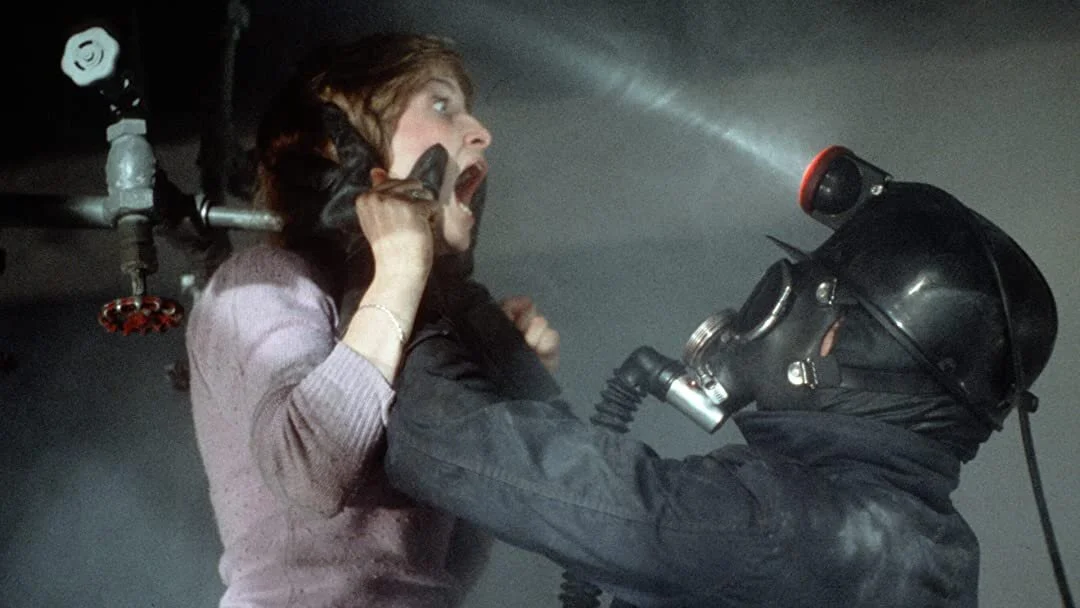
Following the surprise hit that was Paramount’s 1980 Friday the 13th, audiences and the studio alike were primed for a violent, sensational follow-up to the genre-defining slasher. With its pitch-perfect exploitation movie title and tagline (“There’s more than one way to lose your heart …”), My Bloody Valentine promised to be just that. Spurred by articles and pictures run in Fangoria magazine that showcased elaborate gore and special effects, eager horror fans turned out on Valentine’s Day weekend of 1981 for a film they were sure would meet or surpass Friday the 13th.
The theater lights went down, and the film wasted no time getting to the action: its opening scene saw a woman impaled on a pickaxe by the film’s killer. She’s stabbed, the axe is seen going through her chest, she screams … the film abruptly cuts to credits before any blood is shown. The rest of the film would follow suit: kills occurred largely offscreen, their build-up and aftermath shown only in brief flashes.
What happened to what the movie audiences were promised? Judging by the photographic evidence, the scenes had been shot; so why weren’t they in the film? It was apparent the film had been heavily censored, but the exact reasons why remain unknown even to this day. Speculation abounds, much of it placing the blame on backlash against Friday the 13th, whose sequels would later become notorious for their own skirmishes with censorship. My Bloody Valentine director George Mihalka has a different theory, assigning blame to a more concrete event.
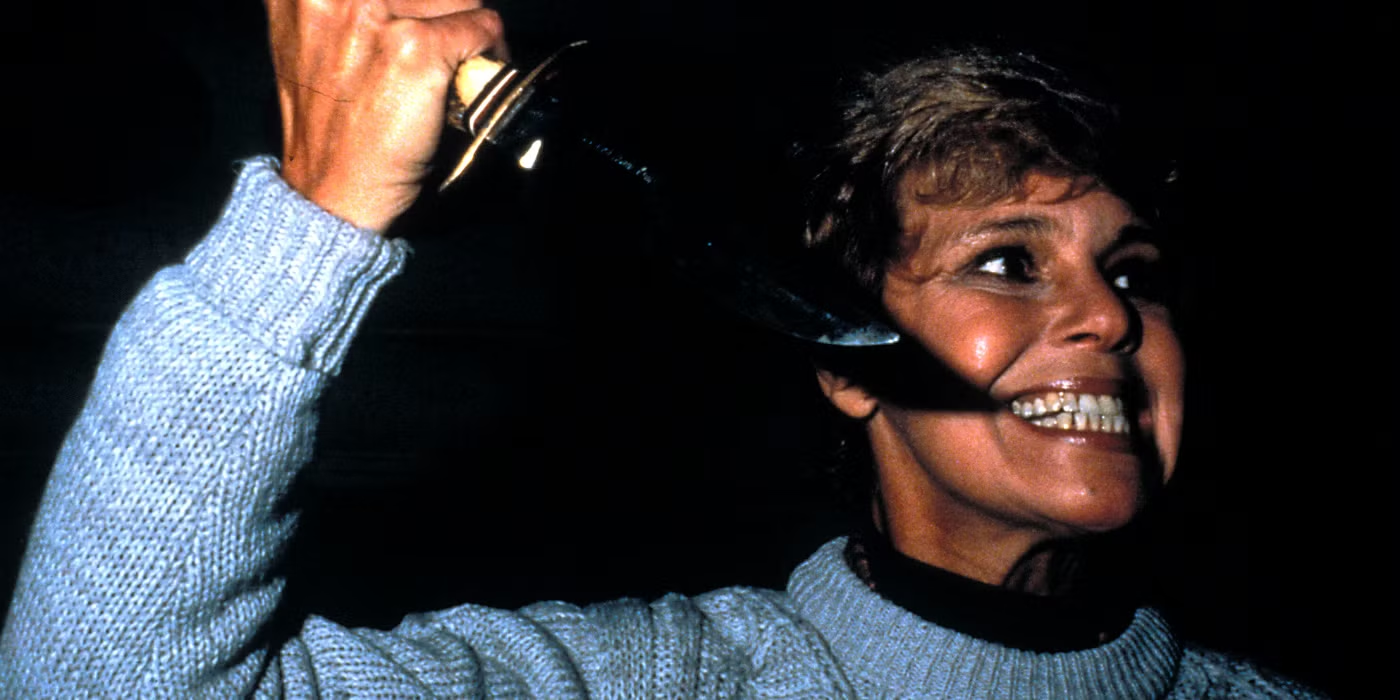
To understand either narrative, it’s first necessary to understand what made Friday the 13th so controversial. While Friday the 13th was by no definition the first slasher film, it differed in several key ways from its precursors. Slasher primogenitors like Black Christmas, The Texas Chainsaw Massacre, and even 1978’s Halloween were relatively bloodless affairs, relying on the suggestion of off-screen violence for their scares. The graphic violence of Friday the 13th was envelope-pushing, especially coming from Paramount Pictures, whose biggest successes of the previous decade were prestige dramas (The Godfather, Saturday Night Fever), and four-quadrant crowd pleasers like Grease. While far from the first slasher film, Friday the 13th was the first major box office hit to feature giallo-inspired kills (with several lifted directly from Mario Bava’s 1971 A Bay of Blood), setting the standard for the slasher genre to follow.
Critics were repulsed. In his review for the Chicago Tribune, Gene Siskel went as far as to demand a boycott of the film, and suggested a letter-writing campaign to Betsy Palmer (Pamela Voorhees), condemning her participation in the film. Friday the 13th went on to earn the ire of the Catholic Legion of Decency, and to make the United Kingdom’s infamous “Video Nasty” list. All of this, naturally, just made audiences want to see it more.
Teenagers and young adults turned out in droves, helping the film to earn almost sixty million dollars against a six hundred thousand dollar budget, becoming Paramount’s second biggest film of 1980 (after Airplane!). Paramount, giddy at the reward they had reaped for their investment of a scant 1.5 million dollars for distribution rights, not only green-lit a sequel to Friday the 13th, but bought the rights to a Canadian Friday the 13th knock-off, initially entitled The Secret.
The title was changed to My Bloody Valentine by producers John Dunning and Andre Link, who noticed the common denominator of holiday-themed titles between Halloween, Friday the 13th, and 1980’s Prom Night. Paramount was sure they had a hit on their hands, bidding 2.5 million to acquire the film from Dunning and Link, provided it could be delivered in time for Valentine’s Day weekend, 1981.
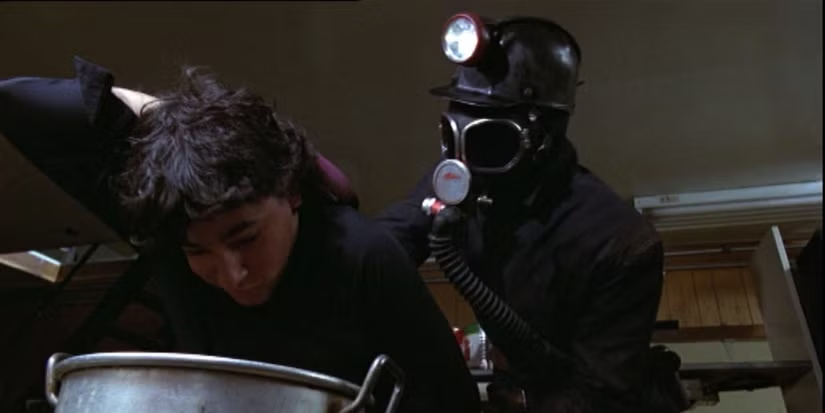
Production began in September of 1980, with Dunning bringing Mihalka on as director after seeing Mihalka’s directorial debut, the 1979 teen sex comedy Pick-Up Summer. Mihalka chose the town of Sydney Mines, Nova Scotia to serve as the fictitious Valentine Bluffs, with the isolated town and its abandoned coal mines having the exact eerie quality Mihalka and screenwriter John Beaird desired. The shoot was incident-free, with one notable exception: upon learning Mihalka intended to film the mines, well-meaning residents of Sydney Mines “went out and spent $50,000 and repainted the whole thing” to “[look] like it was straight out of a catalogue.” Returning the mine back to its desired dilapidated state cost the production weeks and $75,000.
Despite this, Mihalka was able to deliver a workprint cut by December of 1980, with editing beginning that same month. On December 8th, John Lennon was assassinated in New York City. While there is no documentation explicitly naming Lennon’s death as the reason for My Bloody Valentine’s intense censorship, Mihalka has cited it as such. Speaking with Terror Trap in 2005, Mihalka explained “I honestly do believe that there was a major backlash against gratuitous violence because of that. And it was an immediate reaction.” Editing took months, with Mihalka continuously submitting and resubmitting the film to the MPAA (Motion Picture Association of America) ratings board, who each time would demand additional cuts to its violence.
Mihalka elaborates that “the MPAA’s reaction at the time mirrored the average person’s reaction. Nobody in the film business was going to allow themselves to be the ones to have a finger pointed at them saying, ‘Look…they’re still doing it.” To Mihalka, My Bloody Valentine was released at the exact wrong time, becoming a scapegoat for the larger, ongoing controversy surrounding the slasher genre.
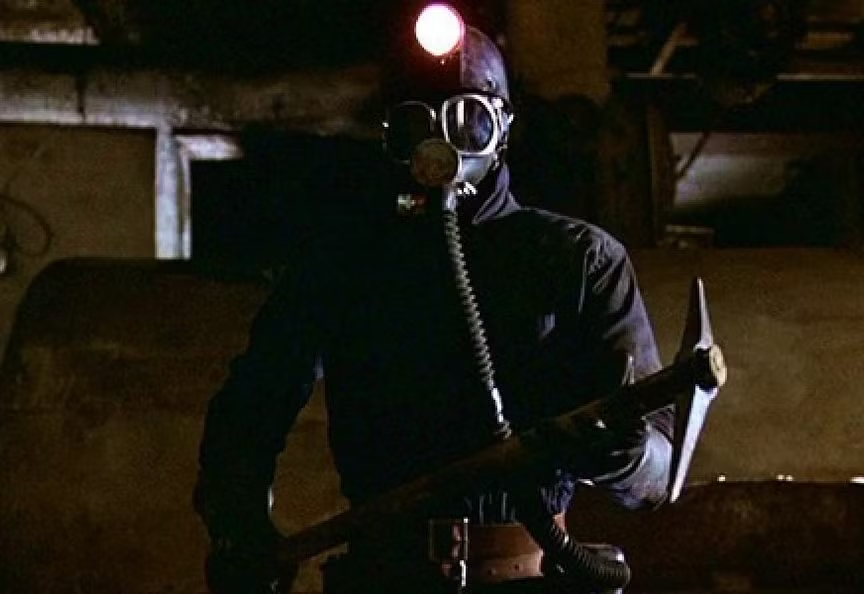
Exactly what was cut from My Bloody Valentine is unknown. Persistent rumors referred to “eight or nine minutes” of excised footage, but the 2009 release of a “restored” cut cast doubt on this. The restoration was authorized by Paramount and carried out by Lionsgate, who were releasing a 3-D remake of the film later that year. Working off of an early pre-release print belonging to John Dunning, three minutes of lost scenes were reinserted into the film.
Interviewed at the time of its DVD release, Mihalka commented that with this version, “we have it back to 80% of the image back and 95% of the impact back.” Another 2009 interview with Mihalka suggests the apparent other six minutes of lost footage were exposition cut for pacing, rather than violence cut by the MPAA. The only extant missing scene Mihalka recalls in specificity was the death of Mike (Thomas Kovacs) and Harriet (Terry Waterland), both impaled on a drill in a homage to A Bay of Blood.
For decades, My Bloody Valentine was discussed less as a film and more as a case study, a definitive example of the power wielded by the ratings board and the impact it could have. Rumors of the missing footage filled the pages of horror ‘zines and early online forums, attaining a near-mythic status. From the tantalizing glimpses offered in those Fangoria photos, horror fans extrapolated the most gruesome, intense slasher kills of all time, vindicated by the suggestion that the MPAA found them too intense. In its restored form, the film has undergone a re-evaluation on its own merits, now regarded as a minor (or miner, as the case were) classic of the genre.
Still, no discussion of My Bloody Valentine is complete without bringing up its battle to make it into theaters, and by speculation of what else could be missing from the film. What made it to the screen may never satisfy some viewers, but with or without its most shocking violence, My Bloody Valentine earns its reputation as one of the most notorious slashers of the decade.









Dive Into the Lovecraftian Nightmare of ‘The Sinking City 2’ in New Trailer [Watch]

‘Insidious: Possession’ Exclusive Trailer – The Asylum’s Horror Mockbuster Arrives This Week

Bill Moseley and Sean Gunn Star in New Slasher ‘Cotton Eye Joe’ as Filming Begins

‘The Influencer Project’ – Found Footage Horror from ‘Blair Witch Project’ Creators Arrives This October

Parker Finn’s ‘Possession’ Remake Gets Summer 2027 Release Date from Paramount

‘Fall 2: Deadpoint’ Trailer Takes the Terror 5,000 Feet Above Thailand

She Wakes Up Bound Inside a Car Trunk – Does She Deserve to Die?

Starting Small: The Independent Roots of Five of Horror’s Greatest Filmmakers

‘Werwulf’ – Robert Eggers’ Haunting New Werewolf Poster Is Absolutely Stunning

Larry Fessenden Leads a Twisted Cult in Disturbing ‘Blood Shine’ Trailer
Dive Into the Lovecraftian Nightmare of ‘The Sinking City 2’ in New Trailer [Watch]
‘Insidious: Possession’ Exclusive Trailer – The Asylum’s Horror Mockbuster Arrives This Week

‘Monster: The Lizzie Borden Story’ Teaser Unleashes Infamous Axe Murderer on Netflix This September

Eva Green’s Psychological Horror ‘Trees Are Watching’ Heads to TIFF This September
