
Editorials
The Rise, Fall, and Return of The Goosebumps Rip-Off
As Goosebumps returns to pop culture, a new wave of children’s horror books is rising — evolving beyond the 1990s imitators that once chased R.L. Stine’s success.

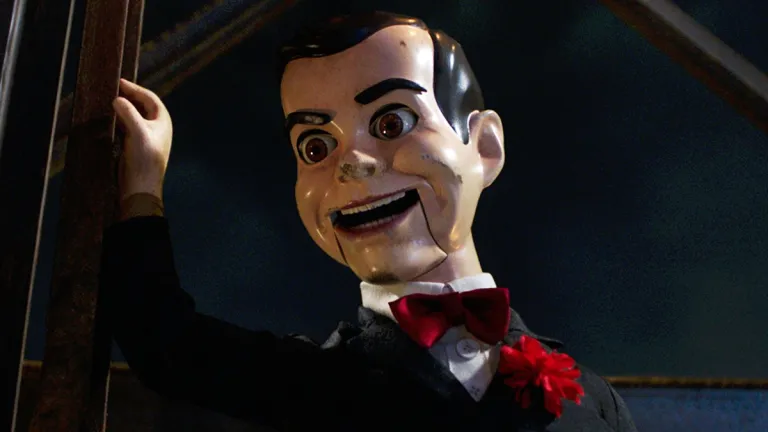
Writer R.L. Stine’s Goosebumps series ruled the 1990s, receiving a popular TV show on Fox Kids, countless spin-off books, and transforming a generation of young readers into horror fans. It only made sense that other publishers would want to cash-in on its success.
Giving rise to other horror books aimed at children like Bone Chillers and Shivers, the decline of Goosebumps’ popularity quickly led to the disappearance of these imitation series as well, many of them fading into obscurity.
But with Goosebumps’ reemergence back into pop culture, a new era of horror lit for kids has followed — not as a mere rip-off, but as an homage to Stine’s classic series.
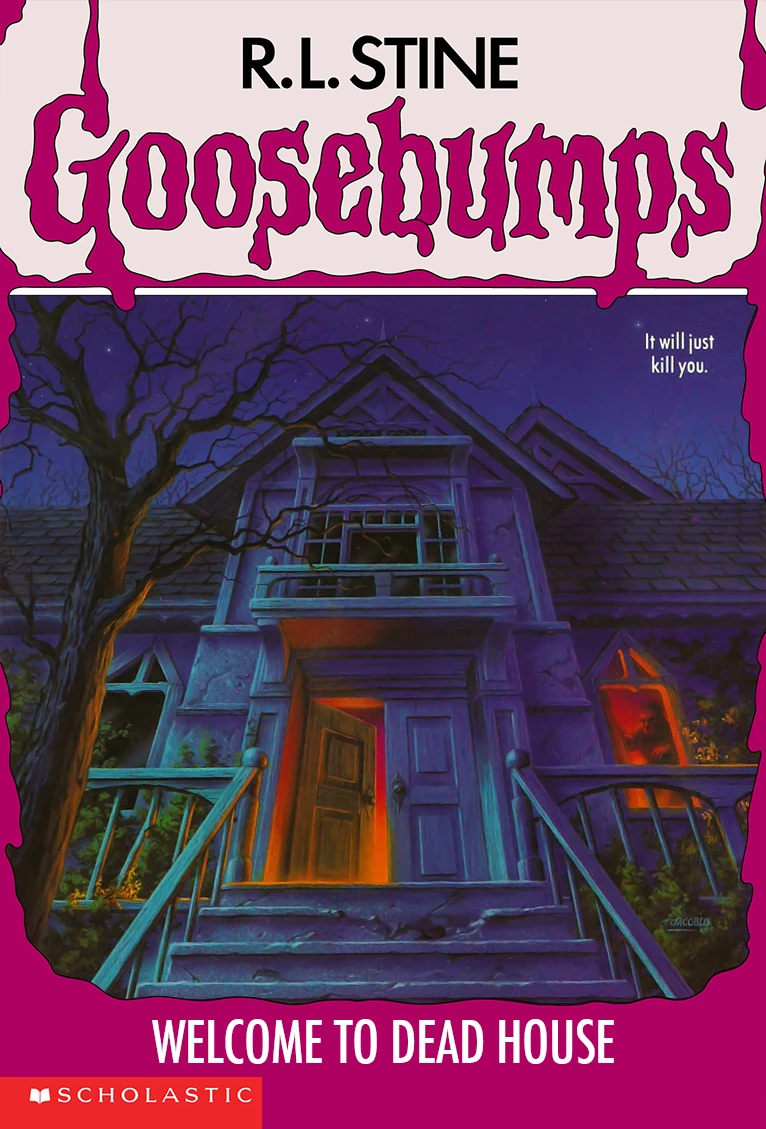
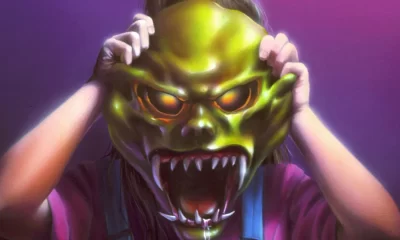
Goosebumps began life in July of 1992 with the first two books in the series, Welcome to Dead House and Stay Out of the Basement. The original run would continue until 1997, receiving sixty-two total entries and captivating children worldwide. While not the first piece of horror media to be marketed to kids (Nickelodeon’s Are You Afraid of the Dark? aired its pilot in Halloween of ’91), Goosebumps was one of the first to make it mainstream. Blending humor and scares, Goosebumps filled a niche that allowed it to become the second-highest selling book series of all time. It also enabled countless imitators.
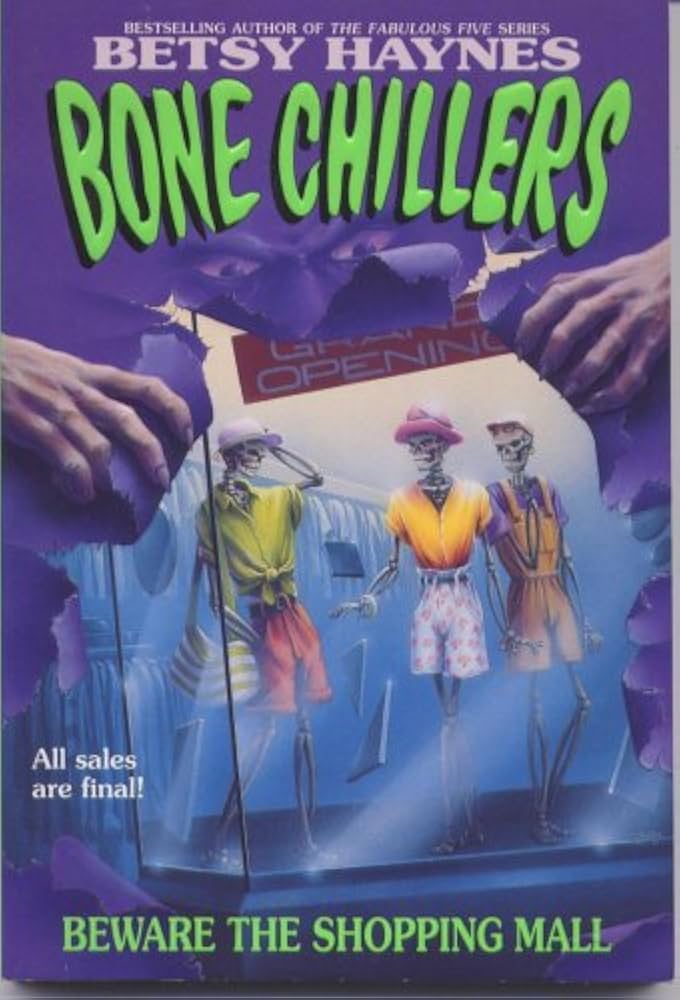
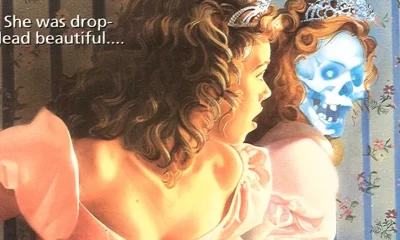
Of these, the most well-known example might be Bone Chillers. Beginning in 1994, this series was penned by writer Betsy Haynes, though ghostwriters would write many of the later entries. Bone Chillers earns its fame primarily from the fact it too received a TV series. While short-lived, it ran a total of 13 episodes on the ABC network, starring a young Linda Cardellini amongst its cast. Many of the books would receive cover art by Tim Jacobus, artist for a majority of the Goosebumps books. This fact only made Bone Chillers feel more like an unofficial spin-off of Goosebumps.
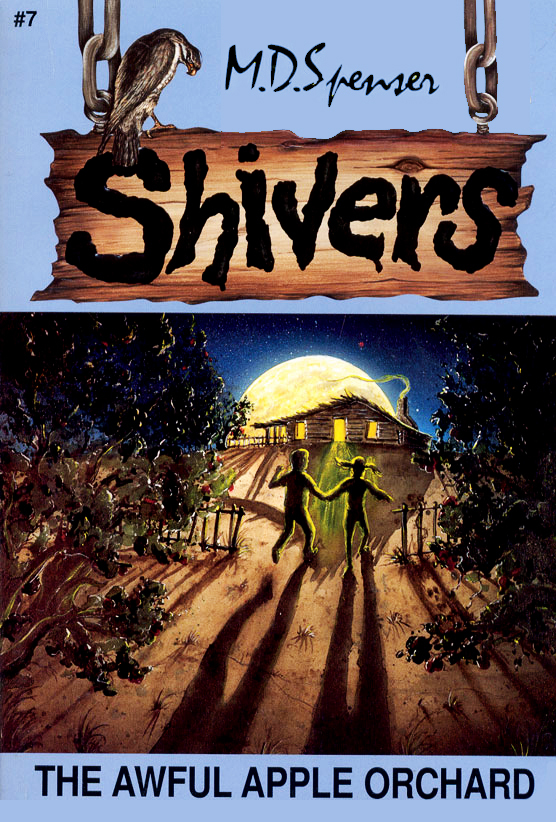
If one thought Bone Chillers sounded too close in name to Goosebumps, then series like Shivers and Spinetinglers were only slightly more shameless. Penned by writer M.D. Spenser, Shivers ran from 1996-1998, receiving thirty-six entries that were often much darker in tone than Goosebumps. Spinetinglers, meanwhile, followed a closer formula. Penned by various writers under the pseudonym M.T Coffin, it received thirty books from 1995-1998. Once more, Tim Jacobus was borrowed for the covers of some of these books.
These series were only the tip of the iceberg. Other noteworthy Goosebumps rip-offs include:
- Deadtime Stories: Written by sibling authors Annette and Gina Cascone. Ran from 1996-1997 with seventeen entries. It received a TV adaptation on Nickelodeon in 2017. Some of these books also had art by Tim Jacobus.
- Graveyard School: Twenty-eight books by Nola Thacker, written under the penname Tom B. Stone. Unlike Goosebumps, these books were all set in the same town, Grove Hill, where students have given their school the nickname ‘Graveyard School’.
- Strange Matter: Thirty books penned by Marty M. Engle and Johnny Ray Barnes Jr, set in the town of Fairfield.
- Shadow Zone: Thirteen novels written by several authors under the name J.R Black.
That’s not even mentioning some more purposeful parodies, like the two-book series Gooflumps, written to riff on Goosebumps’ popularity. Stranger still are series like SpineChillers and Heebie Jeebies, which tried to emulate Goosebumps for a Christian audience.
Looking at the content of a lot of these books, their stories aren’t dissimilar from Goosebumps. Like Stine’s books, they feature children dealing with (often) supernatural threats. But in the end, reading a Bone Chillers or a Spinetinglers is like eating an off-brand cereal instead of Captain Crunch. The content might taste the same, but it lacks the brand name.
Today, these kinds of series can be looked at a symbol of what was trendy in the kids lit scene at the time — when everyone wanted a piece of the Goosebumps pie. When Goosebumps went away (after a complicated legal battle), so did they, and most of them have long-since gone out of print. But Goosebumps didn’t stay dead.
When it comes to the revival of Goosebumps, fans can point their fingers to several factors, like 2008’s Goosebumps HorrorLand, the first Goosebumps spin-off after over a decade of absence. There’s also 2015’s Goosebumps, the first film to be based upon the series, starring Jack Black as R.L. Stine. The film didn’t just popularize Goosebumps again, it popularized nostalgia for Goosebumps, enabling those who read the books growing up to pen their own horror books for kids.
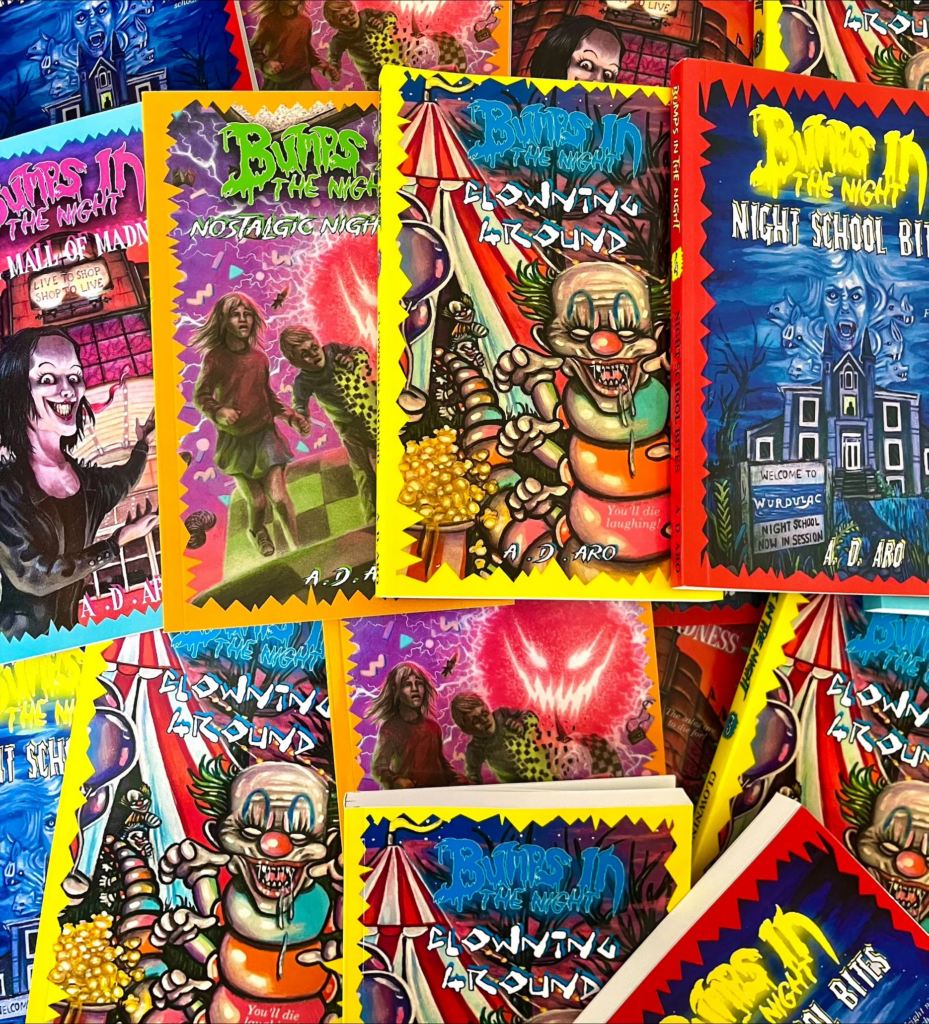
What was once a dry market has been filled with new series like Bumps in the Night(A.D. Aro), Terror Valley (Squall Charlson), Fright Factory (E.D. Black), Scareville (John Ward), and Creep Tales (Dustin Hendrix), amongst many others. These series take on the challenge of following in the footsteps of Goosebumps — not as something to merely emulate, as in series of the past, but something to pay tribute to, and build upon. The result is often a Frankenstein of influences; homages to Goosebumps stitched together with the influences of other horror media the Goosebumps generation grew to love, designed to create new appreciators of the genre.
The time it’s taken for Goosebumps to become a nostalgic property have allowed fans to improve Stine’s formula. Children’s horror of today can be scarier, it can deal with more serious themes, and it can even bring the diversity many horror books of the ’90s lacked. Whether or not these writers are able to do so depends on if they’re willing to push children’s horror beyond the boundaries put in place by Goosebumps — and all the series inspired by it.







‘A Talent for Murder’ Trailer – Helen Mirren Becomes Horror Icon Patricia Highsmith

‘The Troop’ – Nick Cutter’s Brutal Horror Novel Getting a Movie Adaptation from Paramount

‘Tap Twice’ – Andrew Bachelor Directs and Stars in New Supernatural Horror Movie

‘Scissor Mouth’ – Tara Reid Faces a Terrifying Japanese Folklore Legend in New Horror Movie

‘Pendulum’ Teaser Trailer Unleashes New Horror from the Producer of ‘Black Swan’

Starting Small: The Independent Roots of Five of Horror’s Greatest Filmmakers

V/H/S (2012) and The Art of YouTube Horror

Dive Into the Lovecraftian Nightmare of ‘The Sinking City 2’ in New Trailer [Watch]

‘Insidious: Possession’ Exclusive Trailer – The Asylum’s Horror Mockbuster Arrives This Week

‘Insidious’: NECA Unleashes Terrifying Lipstick-Face Demon Action Figure
‘A Talent for Murder’ Trailer – Helen Mirren Becomes Horror Icon Patricia Highsmith
‘Pendulum’ Teaser Trailer Unleashes New Horror from the Producer of ‘Black Swan’

‘Insidious: Out of the Further’ Opens With $25.3 Million at the U.S. Box Office

Ruth Wilson Is Terrifying in Creepy New ‘Family’ Trailer
