
Editorials
When Reality Bleeds Into Fiction: Real Deaths That Inspired Horror Films
Horror doesn’t come from nowhere. Some of the most disturbing films ever made were pulled straight from real crimes, real deaths, and real people who actually existed.

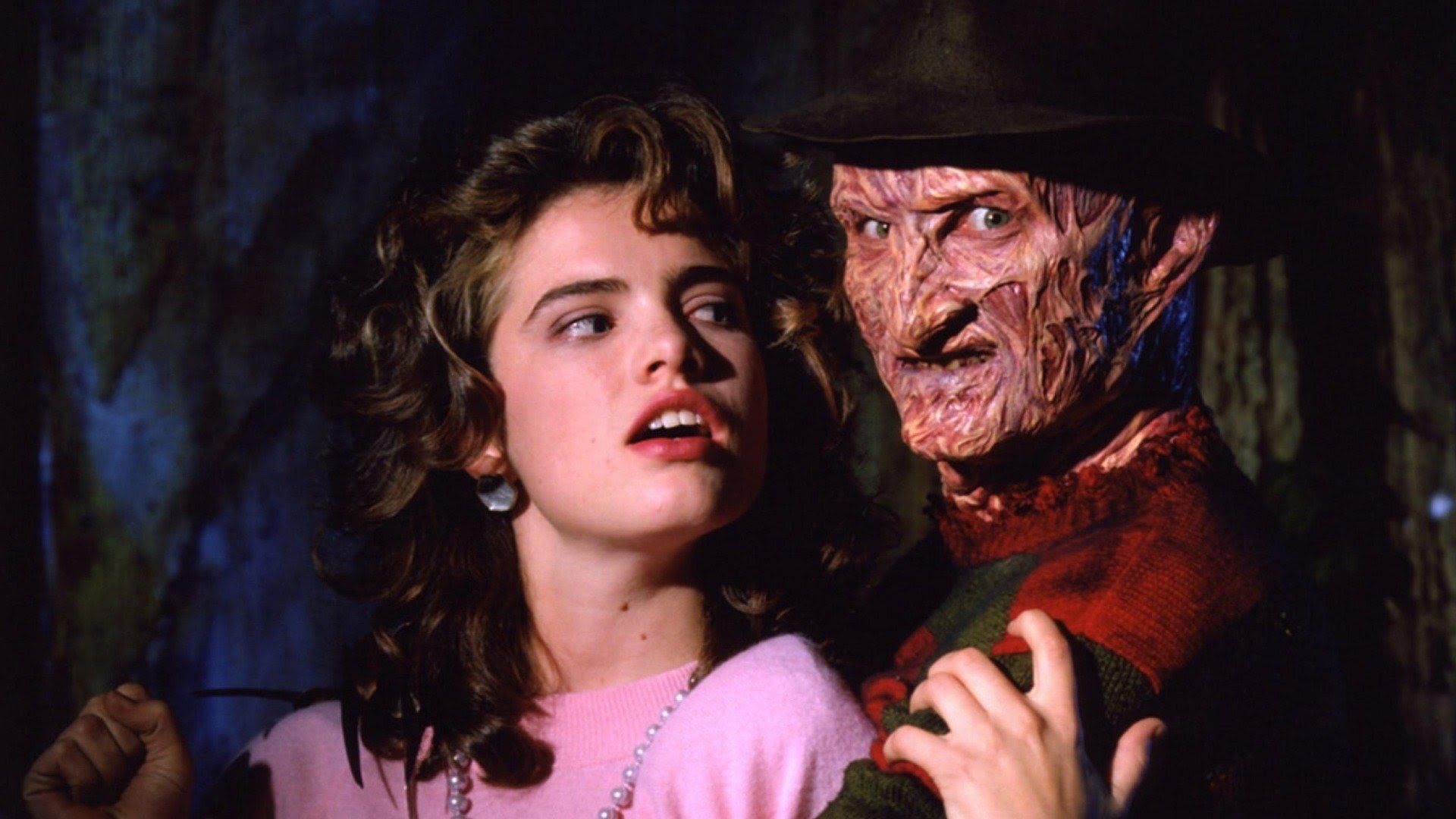
Horror has always thrived on one unsettling truth: what scares us the most isn’t the impossible—it’s the possible. Behind many of cinema’s most iconic nightmares are real deaths, real crimes, and real tragedies that filmmakers reshaped into something even more terrifying.
Sometimes the connection is loose—a headline, a rumor, a single chilling detail. Other times, the horror on screen is only a slight exaggeration of something that actually happened. Either way, these stories reveal a disturbing pattern: reality doesn’t just inspire horror—it often outdoes it.
The Killer Who Became a Legend: The Texas Chain Saw Massacre (1974)
Leatherface wasn’t just imagined—he was inspired by a real man who wore human skin.
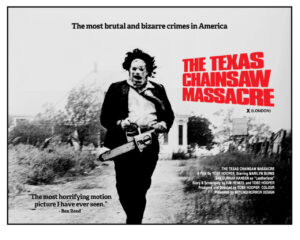
Few horror villains are as grotesque as Leatherface—but he didn’t come from pure imagination. The character was inspired by real-life killer Ed Gein, whose crimes in 1950s Wisconsin shocked the nation.
Gein exhumed corpses, fashioned household items from human remains, and wore skin as clothing. While the film adds cannibal families and chainsaws, the psychological horror—obsession with bodies and identity—comes straight from Gein’s real-life atrocities.
His influence didn’t stop there. Gein also inspired Norman Bates in Psycho and Buffalo Bill in The Silence of the Lambs, proving that one man’s crimes reshaped horror for decades.
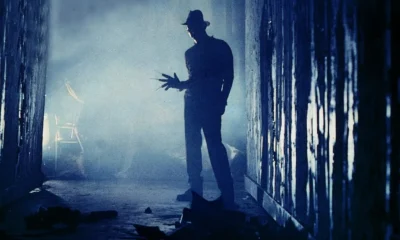
Dreams That Kill: A Nightmare on Elm Street (1984)
People have died from nightmares—and some were so terrified, they tried to stay awake until it killed them.
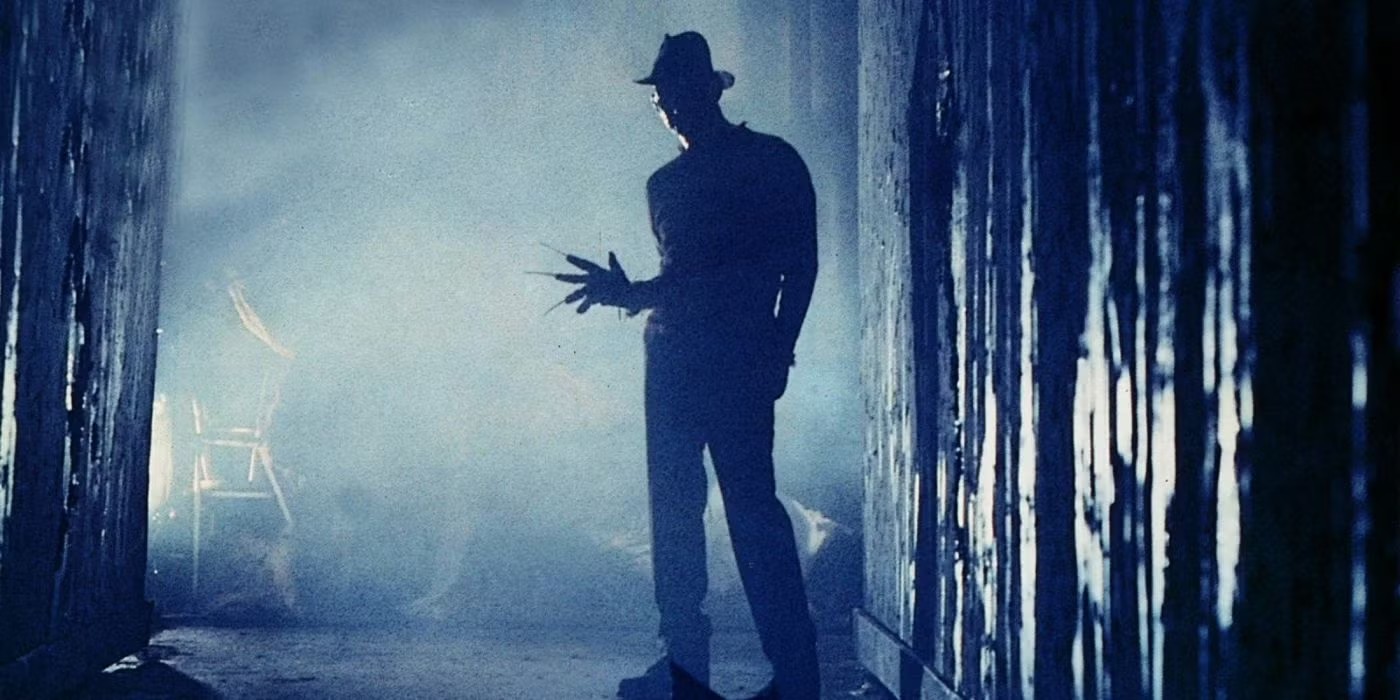
The idea of dying in your sleep sounds like pure fiction—until you learn it’s rooted in real deaths.
Director Wes Craven was inspired by reports of Southeast Asian refugees who died mysteriously after experiencing intense nightmares. Some victims resisted sleep for days, terrified of what awaited them—only to die once they finally drifted off.
These unexplained deaths (sometimes linked to Sudden Unexpected Nocturnal Death Syndrome) became the foundation for Freddy Krueger—a killer who attacks in dreams. The supernatural villain is fictional, but the fear that sleep itself could be fatal is very real.
Stranded and Forgotten: Open Water (2003)
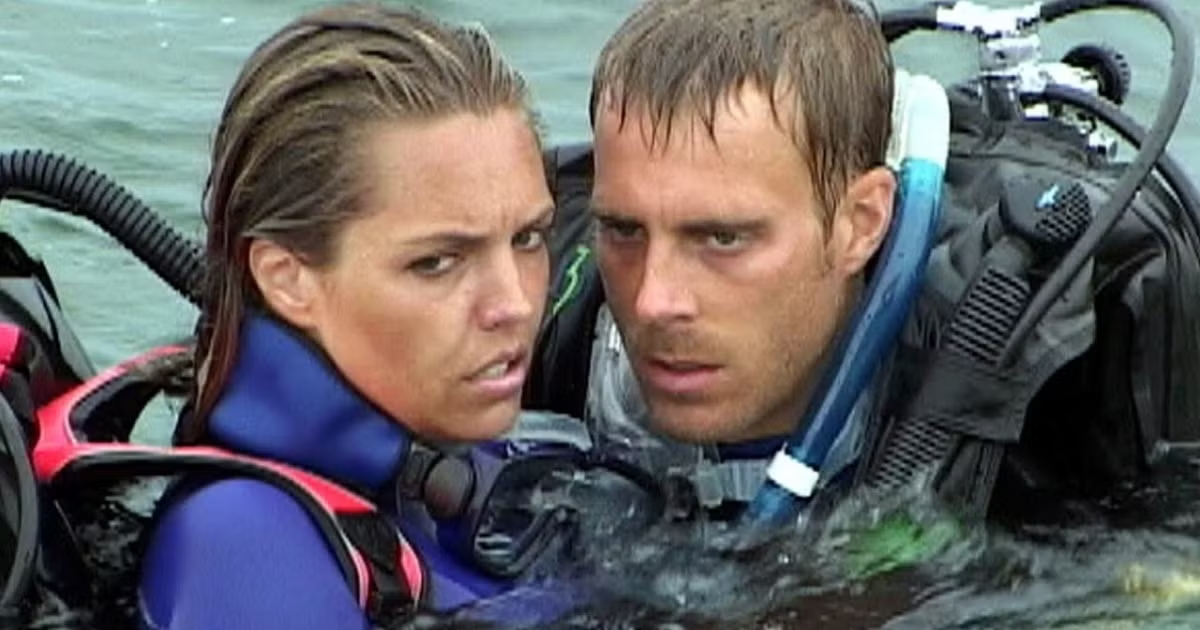
They weren’t attacked right away—they were simply left behind, floating in an ocean with no way out.
Possession and Death: The Exorcist (1973)
Before it became one of the scariest films ever made, it was a case that convinced people a child might truly be possessed.
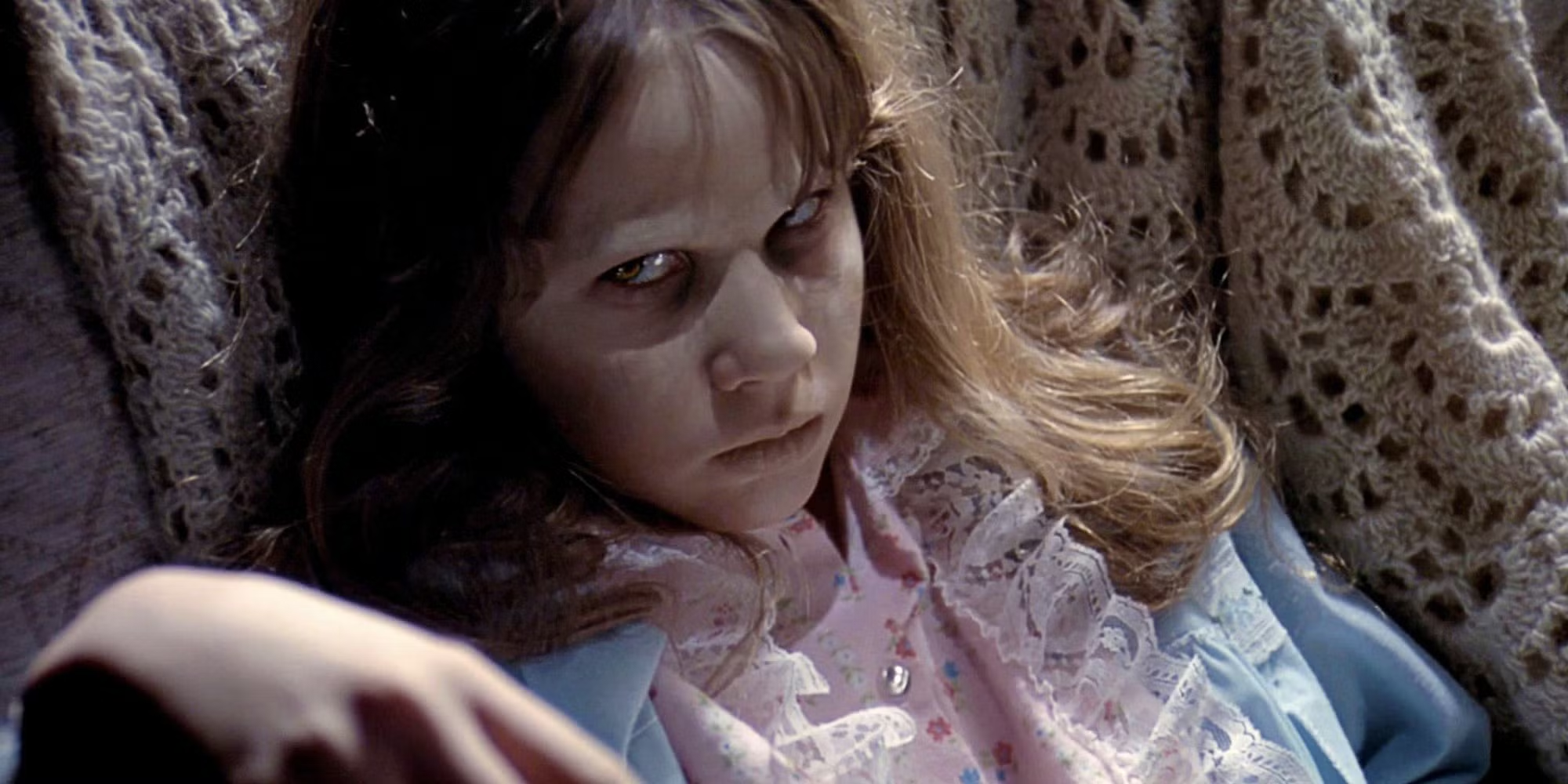
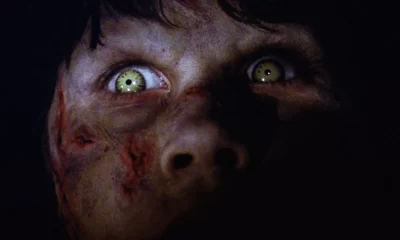
Perhaps the most infamous “based on a true story” horror film, The Exorcist draws from a 1949 case involving a boy known as “Roland Doe.”
Reports claimed the child exhibited violent behavior, strange markings, and reactions to religious objects, leading to a series of exorcisms.
While the film dramatizes events, the real case sparked widespread fascination—and fear—around demonic possession. It also helped revive interest in exorcism practices within the Catholic Church. Accounts of the case were largely based on secondhand reports and a diary kept by a priest, leaving room for skepticism as well as belief. That ambiguity—between documented events and possible exaggeration—continues to fuel debate and unease decades later.
Murder Behind the Mask: Scream (1996)
The idea of a masked killer stalking students wasn’t fiction—it had already happened.

The meta-slasher Scream feels like a clever satire—but its roots are disturbingly real.
The film was partially inspired by Danny Rolling, known as the Gainesville Ripper, who murdered multiple college students in Florida in 1990. Over several days near the University of Florida campus, Rolling broke into apartments, stalked his victims, and carried out prolonged, violent attacks, sometimes staging the scenes to heighten the terror. The nature of the killings—calculated, invasive, and disturbingly ritualistic—left a lasting impact on the public and law enforcement, amplifying fear across the region.
Rolling’s crimes were brutal, calculated, and media-saturated—elements that shaped Scream’s masked killer and commentary on violence as entertainment.
Death by Obsession: The Exorcism of Emily Rose (2005)
A young woman died during an exorcism—and the real horror came after, in a courtroom.
This film blends courtroom drama with supernatural horror, but its origins lie in a tragic real death.
Anneliese Michel, a young German woman, died in 1975 after undergoing months of exorcisms. She suffered from severe malnutrition and dehydration, and her death led to criminal charges against her parents and the priests involved.
Whether viewed as a case of mental illness, religious extremism, or something more mysterious, her story remains one of the most unsettling intersections of belief and mortality.
Cannibalism and Desperation: Ravenous (1999)
History proves that under the right conditions, people will do the unthinkable just to survive.
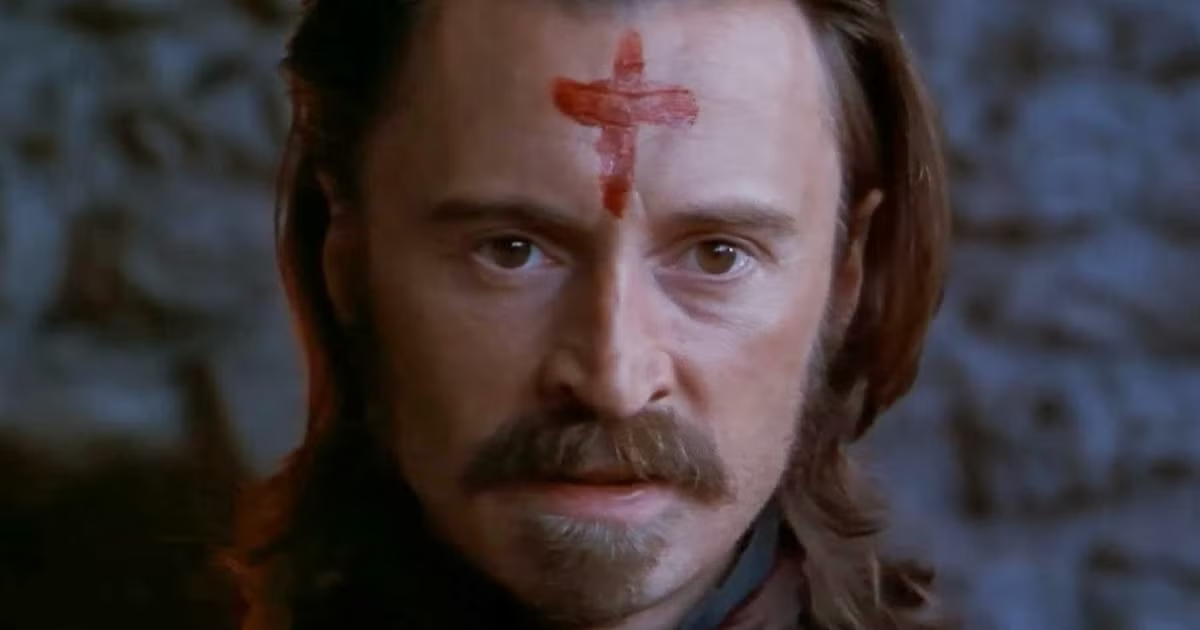
Some horrors emerge from the extremes of survival.
Ravenous draws inspiration from real historical stories of survival like the Donner Party—American settlers trapped in the Sierra Nevada who resorted to cannibalism to survive. The film exaggerates the supernatural aspects, but the core truth—that humans can turn on each other under extreme conditions—is chilling enough on its own.
By intertwining this grim reality with the legend of the Wendigo, the story transforms a desperate act into a darkly comedic exploration of insatiable greed. As the isolated soldiers at Fort Spencer grapple with an unnatural, addictive hunger, the line between man and monster completely dissolves.
The Haunted House That Might Not Be: The Conjuring (2013)
Whether you believe in ghosts or not, the family at the center of this story insists something was in that house with them.
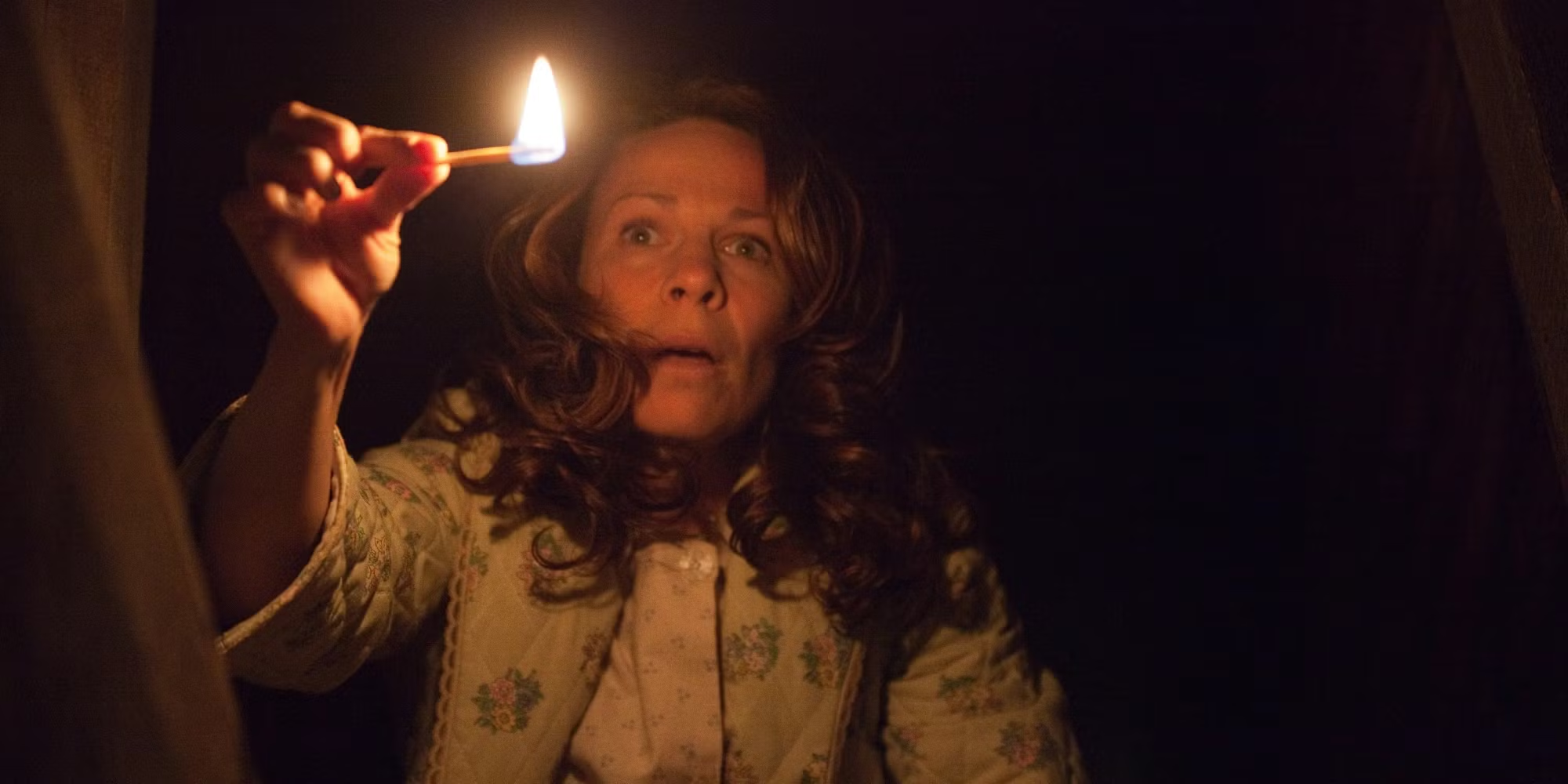
Not all “real deaths” behind horror films are confirmed—but the stories persist.
The Conjuring is based on the Perron family’s alleged experiences in a haunted Rhode Island farmhouse, investigated by paranormal researchers Ed and Lorraine Warren. While skeptics dispute the claims, the story includes reported violent disturbances and spiritual encounters. Whether supernatural or psychological, the fear experienced by the family was undeniably real.
Directed by James Wan, the film adaptation masterfully translates this historical dread into a claustrophobic and terrifying cinematic experience. By focusing heavily on the malevolent spirit of suspected witch Bathsheba Sherman, the movie successfully launched a massive horror franchise that continues to explore the Warrens’ darkest case files.
Why True Stories Make Horror Hit Harder
The scariest part isn’t what horror films create—it’s what they borrow. Because long before the cameras rolled, someone already lived it… and didn’t survive.
There’s a reason filmmakers keep returning to real events: authenticity amplifies fear.
Even when heavily fictionalized, these films carry a lingering thought that sticks with audiences long after the credits roll: this happened—or something like it did.
In many cases, the real stories are less flashy but more disturbing. No jump scares. No orchestral stings. Just ordinary people caught in extraordinary—and often fatal—circumstances.
And that’s the real horror.










‘Ma 2’ Still in the Works as Producers Promise a Strong Script

‘V/H/S/MIXTAPE’ Premieres on Shudder This October

‘Werwulf’ – Robert Eggers’ Haunting New Werewolf Poster Is Absolutely Stunning

‘The Conjuring: First Communion’ Adds Three New Actors to Ed & Lorraine Warren Prequel

Madeline Brewer, Emory Cohen and Nicholas Alexander Chavez Join Parker Finn’s Horror Movie ‘Possession’

More than the Wolf Man: The Other Werewolves of Horror’s Golden Age

She Wakes Up Bound Inside a Car Trunk – Does She Deserve to Die?

‘Fall 2: Deadpoint’ Trailer Takes the Terror 5,000 Feet Above Thailand

A Mysterious Alien Force Invades in ‘Our Effed Up World’ Teaser

Exclusive ‘Hellcat’ Trailer Teases a Brutal Race Against Infection

Larry Fessenden Leads a Twisted Cult in Disturbing ‘Blood Shine’ Trailer
‘Fall 2: Deadpoint’ Trailer Takes the Terror 5,000 Feet Above Thailand

Josh Hartnett Faces a Deadly Sea Creature in ‘Below’ Teaser

Mike Flanagan’s ‘Carrie’ Teaser Introduces a New Nightmare
