
Editorials
The True Story Behind Wolf Creek: Real-Life Killers Who Haunted the Outback
The outback hides more than isolation—it hides real killers. See how true events inspired Wolf Creek.

Wolf Creek isn’t just a horror movie—it draws inspiration from real killers in the Australian outback. Discover the chilling truth behind the story.
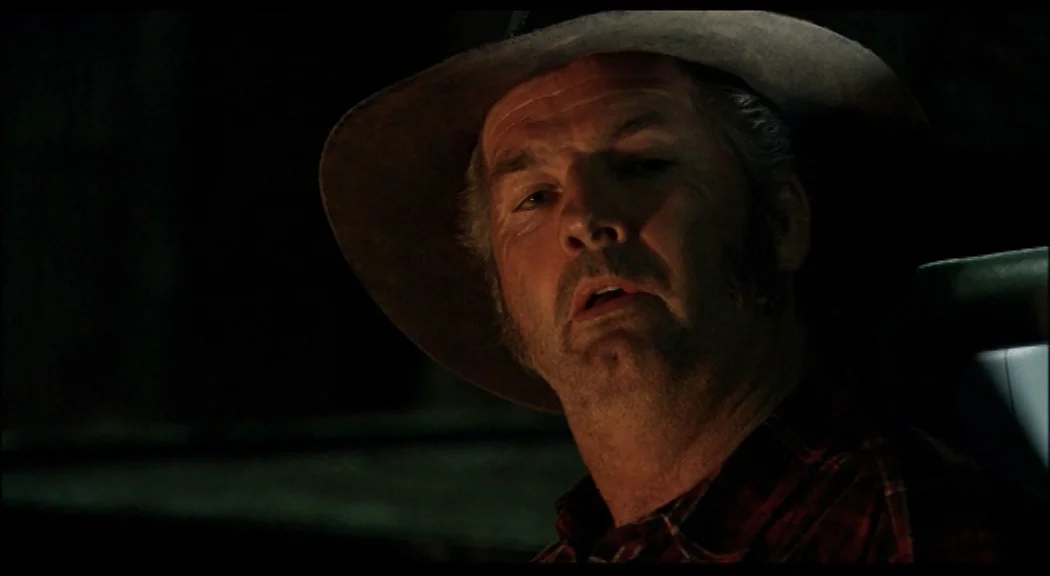
When Wolf Creek premiered in 2005, its opening line “Based on actual events” immediately grabbed attention. The film follows three backpackers stranded in the remote outback who fall prey to the sadistic Mick Taylor. But how much of it is real? In truth, the movie blends fact and fiction. It draws inspiration from real cases but dramatizes most events for cinematic impact.
Real-Life Killers Who Inspired Wolf Creek
Ivan Milat – The Backpacker Murderer
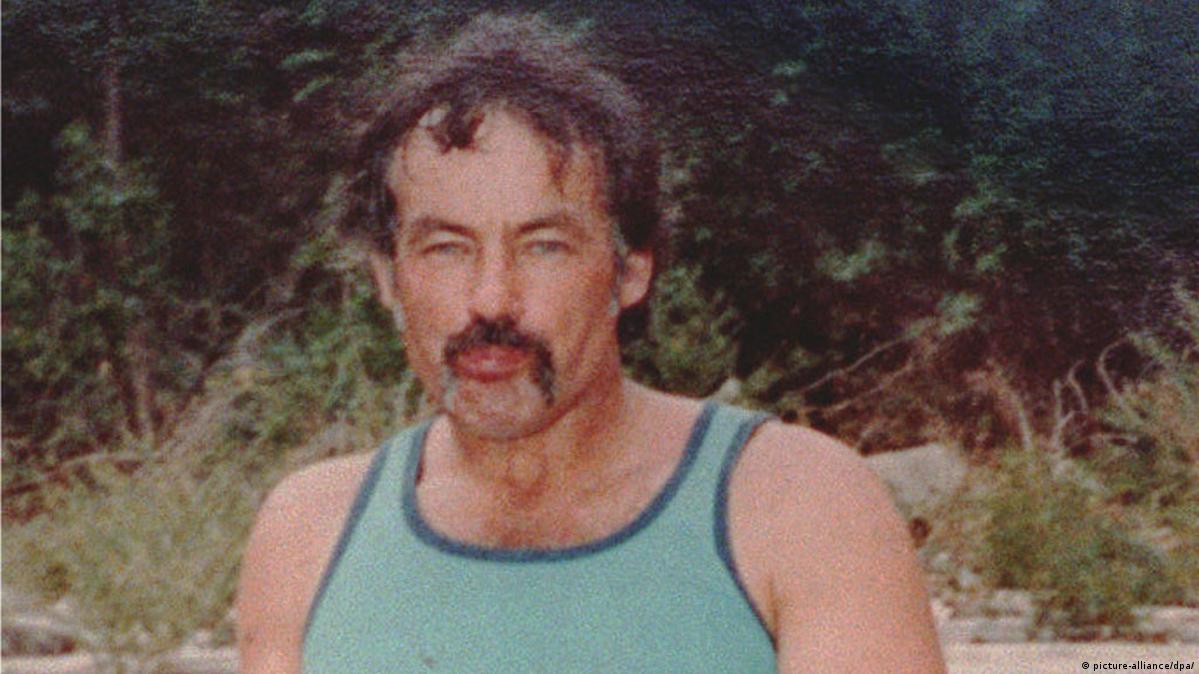
Ivan Milat – Wolf Creek True Story
Mick Taylor, the film’s terrifying antagonist, draws heavy inspiration from Ivan Milat, one of Australia’s most notorious serial killers. Between 1989 and 1993, Milat abducted, tortured, and murdered at least seven young travelers, mostly international backpackers exploring New South Wales.
Milat’s crimes shocked the nation for their calculated cruelty. He held victims for days or weeks before stabbing, shooting, or burying them in Belanglo State Forest, a dense, isolated woodland.
Mick Taylor mirrors Milat in several ways. Both appear outwardly friendly and harmless at first, only to reveal a terrifying, sadistic side. While the film heightens horror with elaborate traps and gore, Milat’s real crimes were chilling in their own right—cold, calculated, and merciless.
Police arrested Milat in 1994 after finding evidence linking him to multiple murders. He received seven consecutive life sentences without parole and died in prison in 2019. His crimes remain one of Australia’s darkest chapters.
The Victims and Belanglo State Forest
Milat’s crimes caused devastation not just through violence, but through the lives they destroyed. Most victims came from the UK, Germany, and the Netherlands. They arrived in Australia seeking adventure, only to face unimaginable terror.
Belanglo State Forest became the grim stage for Milat’s murders. Its dense trees, hidden clearings, and isolated trails allowed him to control his victims completely. Authorities eventually discovered multiple shallow graves, revealing the full scope of his murders.
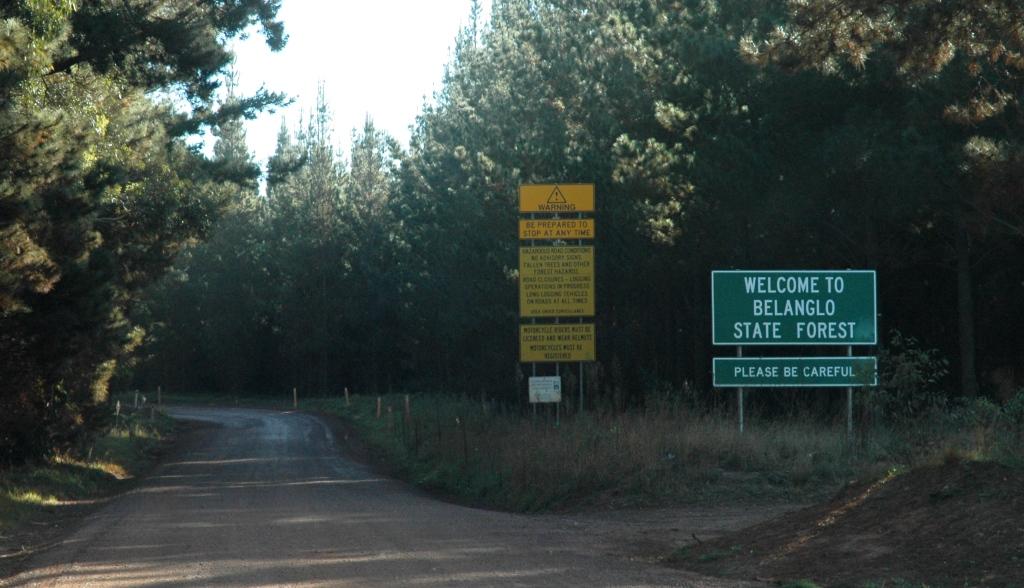
Belanglo State Forest sign – Wolf Creek True Story
Notable Victims
-
Caroline Clarke and Joanne Walters (1989) – The first backpackers Milat killed. Their bodies appeared years later in Belanglo.
-
Graham Burkett, Alina Uren, and others (early 1990s) – Abducted while hitchhiking or traveling alone, leaving families devastated.
These stories are heart-wrenching. Many victims were last seen hitchhiking along highways or camping in remote areas. Their disappearances initially baffled authorities and amplified fear among backpackers. Families waited for answers, and some never found closure.
In Wolf Creek, the sense of isolation mirrors these tragic realities. Backpackers appear vulnerable, far from help, and at the mercy of a predator who knows the land intimately.
The Backpacker Community and Real Fears
Milat’s crimes shook the international backpacking community. Hitchhiking, once an adventurous rite of passage, became synonymous with danger. Authorities issued warnings, travel agencies updated safety protocols, and backpackers learned that the scenic highways and trails of New South Wales could hide deadly threats.
For many, the outback was no longer just a symbol of freedom—it became a place of fear. Wolf Creek taps into this fear masterfully, exaggerating it for cinematic effect, but its roots are entirely real.
Bradley John Murdoch – The Outback Highway Killer
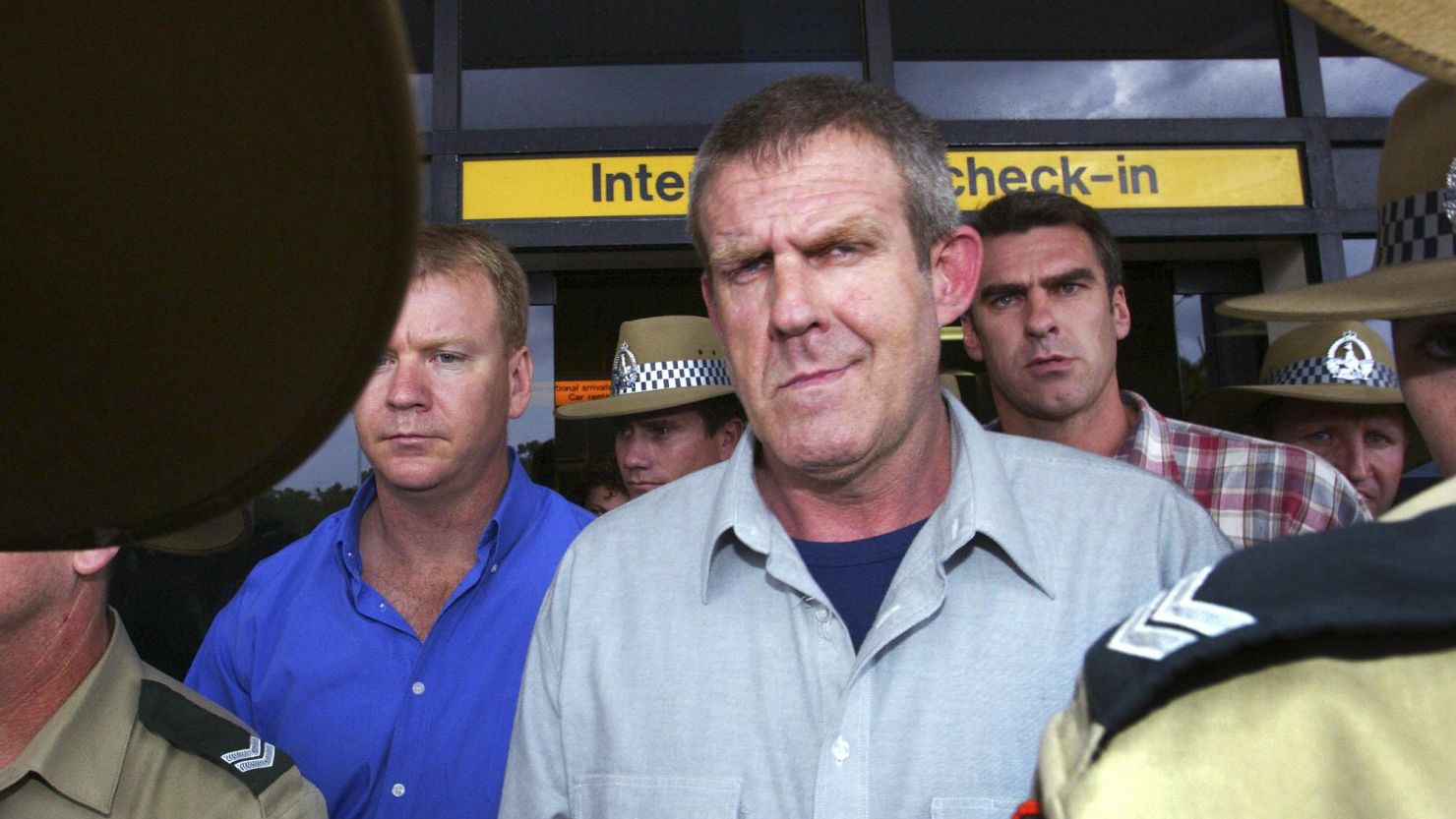
Bradley John Murdoch – Wolf Creek True Story
The film also draws inspiration from Bradley John Murdoch, convicted for murdering British backpacker Peter Falconio in 2001 and attempting to abduct Falconio’s girlfriend, Joanne Lees. Lees survived by staying calm and outsmarting her attacker, but Falconio’s body was never recovered, leaving a haunting mystery that continues to captivate true crime followers.
Murdoch influenced Mick Taylor’s opportunistic, predator-in-the-desert side. Unlike Milat’s premeditated serial killings, Murdoch acted in a single, terrifying encounter along the Stuart Highway. His crime demonstrated how quickly a predator could turn a routine journey into a life-or-death struggle in the isolation of the outback.

Australian Outback – Wolf Creek True Story.
In Wolf Creek, the lone predator stalking empty highways mirrors Murdoch’s real-life tactics. The filmmakers heighten the tension with cinematic landscapes, long stretches of desolate road, and the sense that danger could strike at any moment. The fear of being hunted in remote areas, with no one nearby to help, comes directly from these real events, making the horror feel plausible and immediate.
Together, Milat and Murdoch form Mick Taylor—a composite of premeditated cruelty and opportunistic predation, set against the harsh, isolating Australian landscape. By combining these real-world influences, the film captures both the calculated terror of a serial killer and the unpredictable danger of a lone predator, creating a character that feels terrifyingly real.
Several of Wolf Creek’s most infamous scenes draw directly from these real-life influences. The isolated highway abduction mirrors Murdoch’s encounter with Falconio and Lees, capturing the tension of being stranded with a predator nearby. Meanwhile, Taylor’s methodical stalking and sadistic planning echoes Milat’s calculated cruelty, such as luring victims into traps and keeping them under control before attacking. By blending these elements, the film amplifies fear in a way that feels both cinematic and chillingly believable—showing how real-world terror can be transformed into unforgettable horror on screen.
Real Backpacker Stories: The Human Cost
The impact of Milat’s crimes goes beyond statistics. The human stories make the horror real:
-
Travelers full of hope and dreams became victims of a calculating killer.
-
Survivors like Joanne Lees, who escaped Murdoch’s attack, relived trauma in the isolated outback.
-
Families suffered grief, uncertainty, and lifelong scars from losing loved ones to senseless violence.
By combining these elements—the victims, Belanglo’s remoteness, and Murdoch’s highway crime—Wolf Creek channels real fear, forcing viewers to confront the terrifying possibility that the empty outback could hide a true monster.
Where Wolf Creek Diverges from Reality
-
The characters—Liz, Kristy, Ben, and Mick—are fictional.
-
The outback is heightened for cinematic tension, making isolation feel almost alive.
-
Mick Taylor is a composite: part Milat, part Murdoch, part “friendly bushman” turned killer.
-
Torture chambers and elaborate killing lairs are dramatized for cinematic effect.
While the film takes creative liberties, grounding it in real crimes gives it an edge that pure fiction could never achieve.
Why the “True Story” Claim Matters
The tagline “based on actual events” amplifies fear. Horror fans and true crime enthusiasts fear that predators could exist in remote, beautiful places. The line even caused legal issues: authorities temporarily blocked the film’s release in the Northern Territory during Murdoch’s trial to avoid influencing proceedings.
Legacy of Wolf Creek
Wolf Creek spawned a sequel and a TV series, cementing its place in Australian horror. The real-life crimes that inspired it—Milat’s backpacker murders and Murdoch’s highway abduction—remain chillingly real.
The film also taps into uniquely Australian folk horror: the outback as a place of isolation, vulnerability, and menace.
Conclusion
Is Wolf Creek a true story? Not entirely. The characters are fictional, but the film draws heavily from horrifying real events. By turning reality into a cinematic nightmare, Wolf Creek remains one of the most terrifying horror films inspired by true crime. Check out more horror stories here!





‘A Talent for Murder’ Trailer – Helen Mirren Becomes Horror Icon Patricia Highsmith

‘The Troop’ – Nick Cutter’s Brutal Horror Novel Getting a Movie Adaptation from Paramount

‘Tap Twice’ – Andrew Bachelor Directs and Stars in New Supernatural Horror Movie

‘Scissor Mouth’ – Tara Reid Faces a Terrifying Japanese Folklore Legend in New Horror Movie

‘Pendulum’ Teaser Trailer Unleashes New Horror from the Producer of ‘Black Swan’

Starting Small: The Independent Roots of Five of Horror’s Greatest Filmmakers

V/H/S (2012) and The Art of YouTube Horror

Dive Into the Lovecraftian Nightmare of ‘The Sinking City 2’ in New Trailer [Watch]

‘Insidious: Possession’ Exclusive Trailer – The Asylum’s Horror Mockbuster Arrives This Week

‘Insidious’: NECA Unleashes Terrifying Lipstick-Face Demon Action Figure
‘A Talent for Murder’ Trailer – Helen Mirren Becomes Horror Icon Patricia Highsmith
‘Pendulum’ Teaser Trailer Unleashes New Horror from the Producer of ‘Black Swan’

‘Insidious: Out of the Further’ Opens With $25.3 Million at the U.S. Box Office

Ruth Wilson Is Terrifying in Creepy New ‘Family’ Trailer
