
Editorials
The Dyatlov Pass Incident: The Unsolved Horror That Haunts the Ural Mountains
In February 1959, nine hikers vanished in the Russian wilderness. What searchers found would shock the world — and leave a mystery that defies explanation.

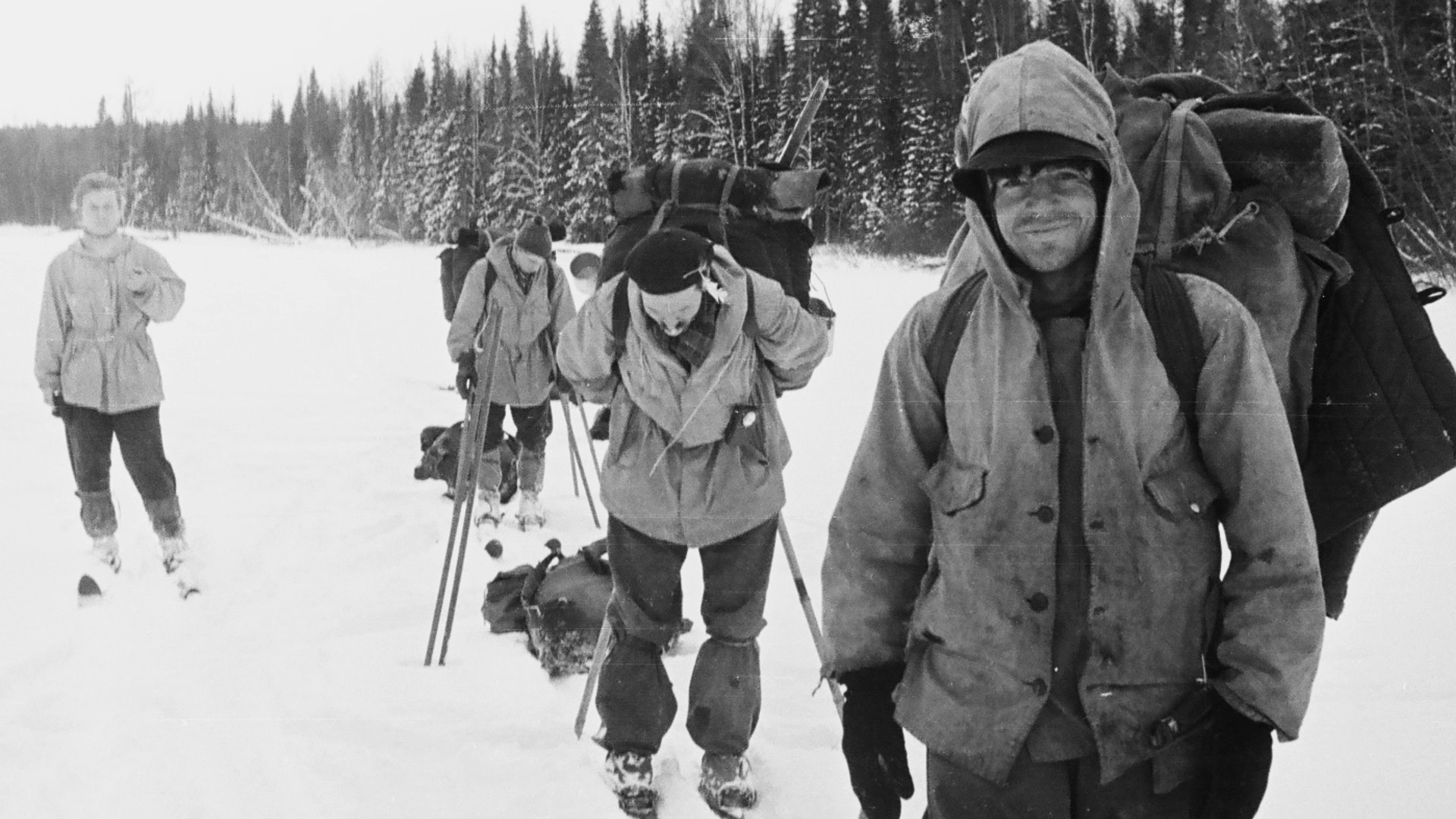
In the dead of winter, the northern Ural Mountains hide secrets no one has ever fully uncovered. In February 1959, nine young hikers vanished into this frozen wilderness — leaving behind only a shredded tent, scattered belongings, and a trail of inexplicable horror. Weeks later, searchers would uncover a scene so bizarre, so gruesome, that it has haunted investigators, historians, and horror enthusiasts for over six decades.
What really happened at Dyatlov Pass? The answers remain buried beneath layers of snow… and terror.
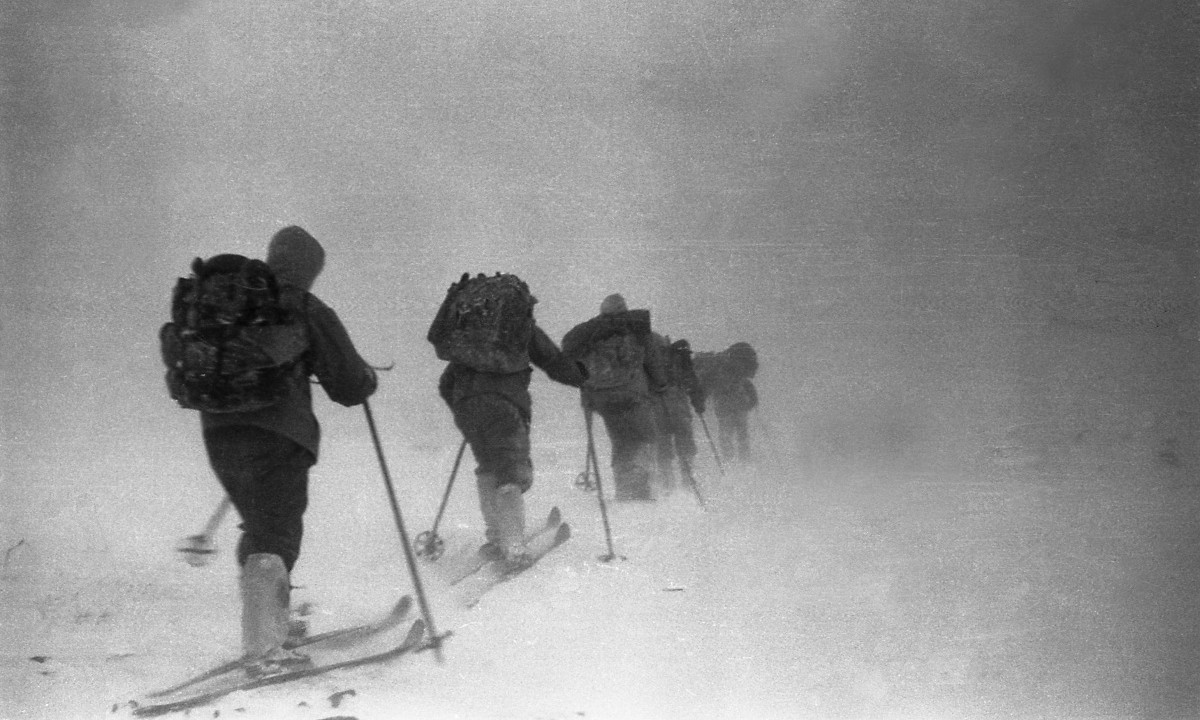
The Dyatlov Pass Incident
The Expedition Begins
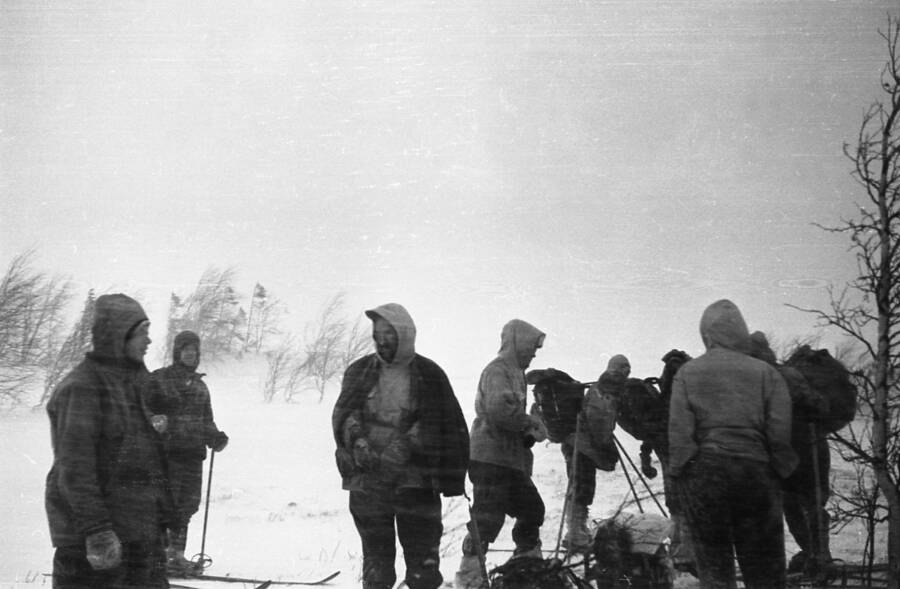
The Dyatlov expedition began like many student adventures of the 1950s — with camaraderie, youthful ambition, and a desire to conquer the unknown. Igor Dyatlov, 23, a student of the Ural Polytechnic Institute, led eight others — seven men and two women — on a ski trek across the northern Ural Mountains. Their goal: Mount Otorten, an isolated peak nearly 10,000 feet high.
The hikers were well-prepared. Each had experience in harsh conditions, and their supplies were meticulously packed. They kept careful logs of their route and weather conditions, demonstrating the discipline of seasoned adventurers. Yet, even with preparation, no one could anticipate the nightmare waiting for them.
Disappearance and Discovery
When the group failed to return, a search and rescue operation was launched. What investigators found at Dyatlov Pass would become the stuff of legend — or horror.
True Horror Story – The Dyatlov Pass
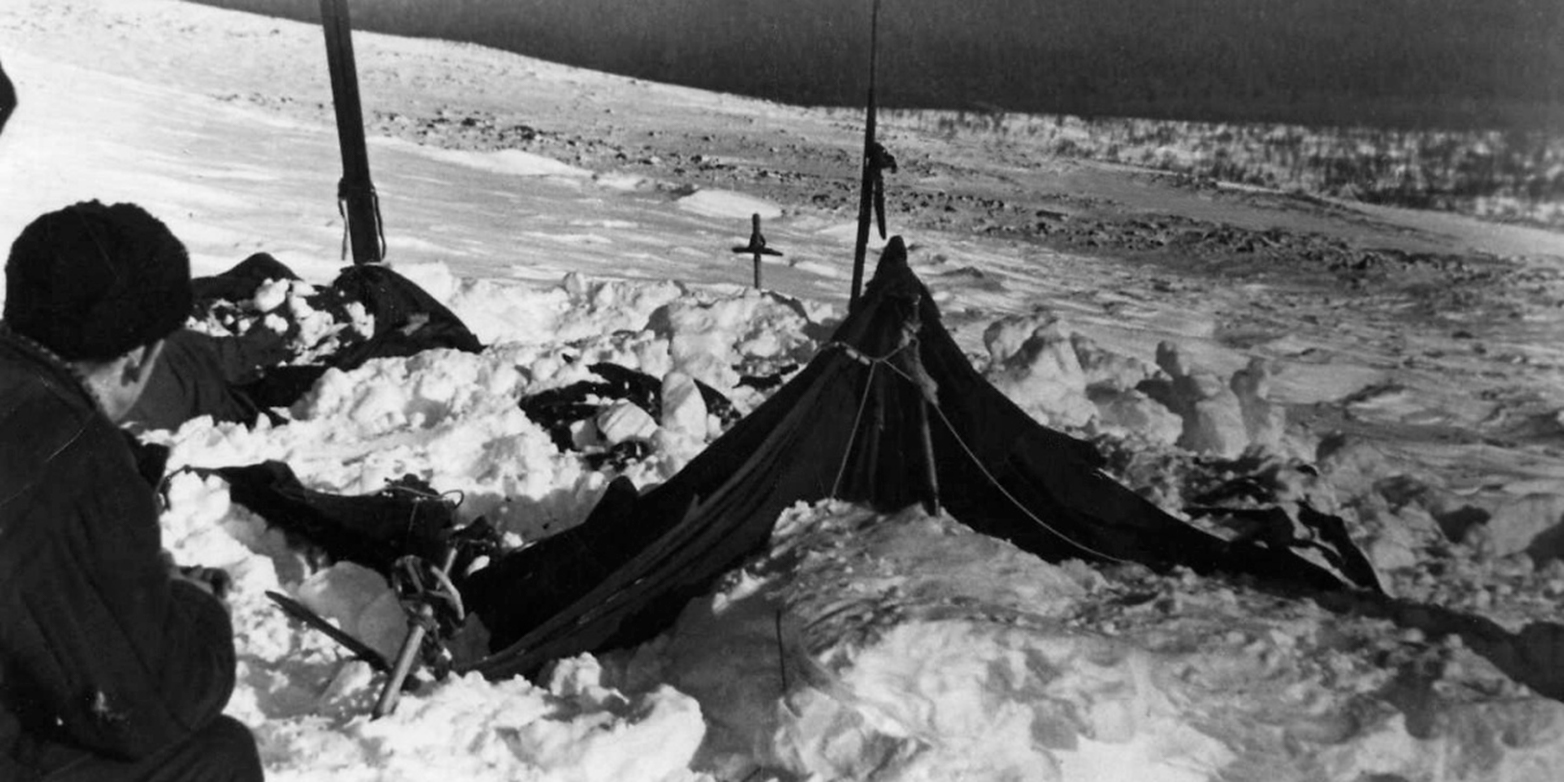
The hikers’ tent was discovered on February 26, 1959, slashed open from the inside. Clothing, shoes, and personal belongings were left behind. It appeared the group had fled in panic. Some had left the safety of the tent barefoot in temperatures plunging far below freezing.
The first two bodies were found several hundred meters away from the tent. They were dressed only in undergarments, suggesting extreme haste or disorientation. Over the next few weeks, the remaining bodies were recovered in scattered locations. Their positioning suggested a desperate, chaotic flight, yet there were no signs of struggle with another human — and yet, some injuries were far more severe than any assault by another hiker could cause.
The Grisly Details
The injuries alone make Dyatlov Pass one of the most horrifying unsolved mysteries:
- Crushed skulls and broken ribs reminiscent of high-impact trauma.
- Missing eyes and a missing tongue in one female hiker.
- Severe internal injuries with no external signs of force.
Investigators at the time were baffled. How could a natural disaster explain injuries that mimic a car crash or high-level crush trauma, yet leave external skin intact?
Adding to the strangeness, some clothing exhibited high levels of radiation, though no clear source was ever identified. Footprints indicated that the hikers had moved erratically, some seemingly trying to climb a hill, others moving in the opposite direction — almost as if fleeing an unseen, incomprehensible threat.
Theories: Natural, Military, and Paranormal
Over the decades, experts, journalists, and amateur investigators have offered multiple explanations — yet none have fully accounted for the horrors observed:
Avalanche Theory
The official 2019 investigation concluded a slab avalanche caused the deaths. While plausible, this theory struggles to explain why the hikers left the tent in stages, barefoot and partially undressed, and why several injuries resemble high-force trauma rather than blunt crushing.
Military Experiments
The area was near secretive Soviet military testing grounds. Some speculate the hikers accidentally witnessed weapons testing or parachute bombs, triggering panic and lethal consequences. Witness accounts describe strange orange orbs in the sky the night of their deaths, potentially linked to this theory.
Infrasound-Induced Panic
Atmospheric scientists suggest that Kármán vortex streets, wind patterns common in mountainous regions, can produce low-frequency infrasound that induces irrational fear, nausea, and even hallucinations. Could a sudden, unexplained psychological terror have caused the hikers to flee the tent into the frozen darkness?
Yeti or Paranormal Activity
In local folklore, the Ural Mountains were considered cursed, inhabited by spirits or cryptids. Eyewitness reports of strange lights and sounds in the area feed speculation that some otherworldly force was at play. While this theory leans toward horror legend, it aligns disturbingly well with the inexplicable behavior and injuries.
A Frozen, Haunting Scene
One of the most chilling aspects of the incident is the scattered nature of the bodies:
- Two bodies were found near the forest, partially dressed, suggesting they tried to return to camp.
- Three more were discovered in a ravine, exhibiting traumatic injuries inconsistent with falls or natural causes.
- The last four were found weeks later, buried under snow, some with extreme damage to internal organs that no one has been able to satisfactorily explain.
Even today, visiting Dyatlov Pass is said to induce unease. Locals report eerie silence, no wildlife, and an almost tangible sense of being watched. It’s as if the mountain itself refuses to relinquish its secrets.
Why Dyatlov Pass Still Haunts Us
The Dyatlov Pass Incident is more than an unsolved mystery — it’s a chilling reminder of how little we understand about nature, human psychology, and the unexpected horrors that lie in remote wilderness. Unlike typical true crime cases, there are no suspects, no motive, and no clear cause of death. Only frozen bodies, mysterious injuries, and an endless debate that has spanned generations.
The tragedy persists in popular culture — documentaries, podcasts, and novels continue to explore every conceivable theory. Yet every answer seems to open more questions.
Was it nature, an unseen enemy, a freak accident, or something beyond our comprehension? Perhaps Dyatlov Pass itself is the horror — a place where human logic fails, leaving only fear, snow, and silence.
The Legacy
In Russia, the site was eventually renamed Dyatlov Pass, ensuring the hikers’ names would be remembered. But the mountain remains a tomb, a monument to a terror that is simultaneously real and unreal. Tourists who retrace the expedition’s route report strange phenomena: sudden cold gusts, inexplicable sounds, and an oppressive sensation of dread.
It’s a real-life horror story that even decades later, continues to haunt imaginations worldwide.









‘A Talent for Murder’ Trailer – Helen Mirren Becomes Horror Icon Patricia Highsmith

‘The Troop’ – Nick Cutter’s Brutal Horror Novel Getting a Movie Adaptation from Paramount

‘Tap Twice’ – Andrew Bachelor Directs and Stars in New Supernatural Horror Movie

‘Scissor Mouth’ – Tara Reid Faces a Terrifying Japanese Folklore Legend in New Horror Movie

‘Pendulum’ Teaser Trailer Unleashes New Horror from the Producer of ‘Black Swan’

Starting Small: The Independent Roots of Five of Horror’s Greatest Filmmakers

V/H/S (2012) and The Art of YouTube Horror

Dive Into the Lovecraftian Nightmare of ‘The Sinking City 2’ in New Trailer [Watch]

‘Insidious: Possession’ Exclusive Trailer – The Asylum’s Horror Mockbuster Arrives This Week

‘Insidious’: NECA Unleashes Terrifying Lipstick-Face Demon Action Figure
‘A Talent for Murder’ Trailer – Helen Mirren Becomes Horror Icon Patricia Highsmith
‘Pendulum’ Teaser Trailer Unleashes New Horror from the Producer of ‘Black Swan’

‘Insidious: Out of the Further’ Opens With $25.3 Million at the U.S. Box Office

Ruth Wilson Is Terrifying in Creepy New ‘Family’ Trailer
