Dead Time with Scotty
Dead Time with Scotty, Story #1: The Third Pew

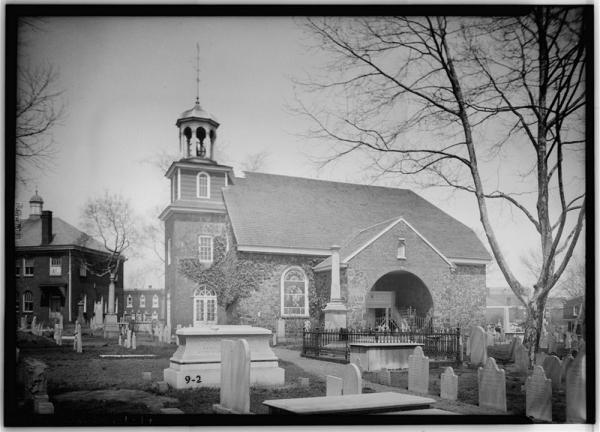
The old white church at the edge of Gray Hollow had always been still—too still, some said. It was the kind of place where the creak of a pew echoed like thunder and the stained-glass saints seemed to watch you when you weren’t looking.
On the last Sunday of October, the morning sky was thick with clouds like rotting cotton. A chill had settled in the sanctuary, despite the heaters purring beneath the floorboards. The congregation was sparse—just thirty or so faithful, wrapped in coats and scarves, thumbing worn hymnals and nodding along to Pastor Holloway’s gentle sermon about humility.
That’s when the boy started humming.
Gage Harris was only six, small and pale, with short, blonde hair and big blue eyes that had never caused anyone a second thought. He sat in the third pew with his mother, legs swinging, fingers drumming the wood in a soft rhythm.
Then the humming started—low and tuneless, not childlike at all. At first, people barely noticed. But the sound grew louder. More… textured. Like voices layered beneath the hum.
Pastor Holloway paused mid-sentence, eyes flicking to the child.
“Everything okay, Mrs. Harris?”
Gage’s mother blinked, startled. She looked at her son, who smiled up at her—his teeth too wide, too many.
“I’m fine,” he said, but the voice wasn’t his.
It was deep. Cold. Wrong.
The church fell silent. No one moved. Even the ancient rafters seemed to hold their breath.
Gage stood up slowly, his little Sunday shoes clicking on the wood. His eyes were all wrong now—no blue, just a cloudy gray, like storm glass.
“We don’t want your prayers,” the boy said.
Then he laughed, and it was the sound of bones snapping.
Mrs. Harris tried to grab him, but he flung her back with a flick of his hand. She crashed into the pew behind them, her head cracking against the edge. Blood painted the hymnals red.
Gasps turned into screams. People scrambled, tripping over themselves to get away, but the church doors slammed shut with a boom that shook the crucifix from the wall.
“Sit.”
Everyone did. Not willingly—like marionettes pulled by invisible strings. Their knees buckled. Their mouths opened in silent screams.
Gage walked up the aisle toward the altar, humming again, slower now. The candles flickered and dimmed, one by one.
“We’ve waited,” he said. “Beneath your pews. Behind your eyes. Your faith is thin.”
Pastor Holloway clutched his Bible and stepped forward, voice shaking.
“In the name of Christ—”
The boy grinned. “He’s not listening.”
The pastor burst into flames. He didn’t even have time to scream.
Somewhere, the organ began to play on its own—a twisted, dissonant hymn that sounded more like wailing than music.
The congregation could do nothing but watch as the boy climbed onto the altar and sat cross-legged in the pulpit. His eyes glowed with something ancient, something hungry.
“We’ll stay,” he whispered. “We’ll wear his face. We’ll preach his word. And none of you will know.”
He tilted his head.
“Next Sunday, bring the children.”
Gage then disappeared in a puff of ashy smoke.
One year later, the church is still open.
Visitors say the services are strangely quiet. No laughter. No crying babies. Just the low, constant humming from the third pew where it all began with Gage.











‘A Talent for Murder’ Trailer – Helen Mirren Becomes Horror Icon Patricia Highsmith

‘The Troop’ – Nick Cutter’s Brutal Horror Novel Getting a Movie Adaptation from Paramount

‘Tap Twice’ – Andrew Bachelor Directs and Stars in New Supernatural Horror Movie

‘Scissor Mouth’ – Tara Reid Faces a Terrifying Japanese Folklore Legend in New Horror Movie

‘Pendulum’ Teaser Trailer Unleashes New Horror from the Producer of ‘Black Swan’

Starting Small: The Independent Roots of Five of Horror’s Greatest Filmmakers

V/H/S (2012) and The Art of YouTube Horror

Dive Into the Lovecraftian Nightmare of ‘The Sinking City 2’ in New Trailer [Watch]

‘Insidious: Possession’ Exclusive Trailer – The Asylum’s Horror Mockbuster Arrives This Week

‘Insidious’: NECA Unleashes Terrifying Lipstick-Face Demon Action Figure
‘A Talent for Murder’ Trailer – Helen Mirren Becomes Horror Icon Patricia Highsmith
‘Pendulum’ Teaser Trailer Unleashes New Horror from the Producer of ‘Black Swan’

‘Insidious: Out of the Further’ Opens With $25.3 Million at the U.S. Box Office

Ruth Wilson Is Terrifying in Creepy New ‘Family’ Trailer
