
Editorials
The Conjuring Film True Story: Unmasking the Real Haunting Behind the Horror

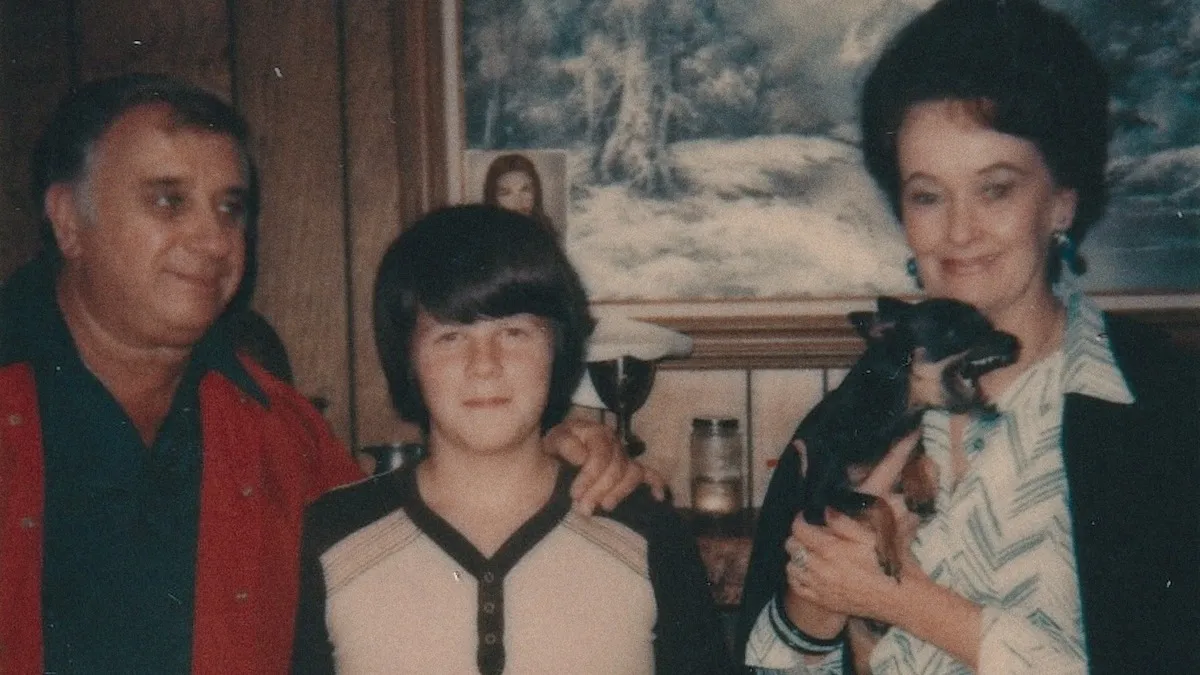
When The Conjuring hit theaters in 2013, audiences were told one thing before the lights went down: “Based on a true story.” But how much of it was real? How much was Hollywood terror?
To find out, we dig into the real history of the Perron family, their haunted farmhouse, and what Ed and Lorraine Warren actually witnessed.
The Real Case: The Perron Family Haunting (1971–1980)
The Conjuring film true story begins in Harrisville, Rhode Island, where Roger and Carolyn Perron moved their five daughters into a sprawling 18th-century farmhouse. Almost immediately, the family reported unsettling activity — faint voices, footsteps, and objects moving without explanation.
According to the Perrons, small disturbances escalated into violent encounters. Carolyn claimed she was attacked by unseen forces — slapped, pinched, and even pierced by a mysterious needle. The family also reported foul smells, freezing rooms, and visits from full-bodied apparitions.
Terrified, they reached out to famed paranormal investigators Ed and Lorraine Warren, who believed the home was haunted by a malevolent entity tied to a woman named Bathsheba Sherman.
Bathsheba Sherman: The Legend vs. The History
In The Conjuring, Bathsheba is portrayed as a satanic witch who sacrificed her child to the Devil before hanging herself from a tree near the property.
But here’s where fact and fiction split:
- Bathsheba Thayer Sherman was a real person who lived in the mid-1800s near the Perron property.
- Historical records show she was accused, but never convicted, of witchcraft after a baby mysteriously died in her care.
- She lived out her life in Rhode Island and died of natural causes — not suicide.
The Warren case notes mention Bathsheba’s name frequently, suggesting the investigators believed her spirit tormented the family. However, no physical evidence ever tied her to Satanic rituals or child sacrifice.
The Warrens’ Involvement: What Really Happened
The Conjuring shows Ed and Lorraine performing a full-blown exorcism in the Perron house, culminating in a dramatic showdown between good and evil.
In reality, the Warrens never performed an exorcism there — they were not authorized by the Catholic Church to do so. Instead, they conducted a séance in 1974, which, according to the Perrons, went horribly wrong.
During the séance, Carolyn Perron was reportedly possessed and thrown across the room. Roger Perron demanded the Warrens leave, fearing for his wife’s safety.
The family remained in the home for nearly a decade afterward, continuing to experience strange occurrences before finally moving out in 1980.
The Movie’s Liberties
James Wan’s The Conjuring takes creative license for cinematic impact:
- The exorcism scene never happened.
- The dramatic basement finale was entirely fictional.
- The timeline of hauntings was condensed for storytelling.
- The Warrens’ direct involvement was exaggerated — they were present for only a few visits, not an extended stay.
Still, the movie’s emotional truth — a family under siege by something they couldn’t explain — mirrors what the Perrons claim they endured.
The House Today
The real farmhouse still stands at 1677 Round Top Road in Burrillville (formerly Harrisville), Rhode Island. Its current owners report occasional unexplained phenomena — lights flickering, doors closing on their own — but nothing as extreme as what the Perrons described.
The property has since become a pilgrimage site for paranormal investigators and horror fans, featured in multiple documentaries and ghost-hunting specials.
Truth in Terror
So how true is The Conjuring film true story?
Roughly 60% fact, 40% Hollywood fiction. The Perrons’ experiences were real to them, but the film amplifies those events into pure supernatural warfare.
Even skeptics admit the case helped solidify the Warrens’ legacy and sparked a new golden age of paranormal horror. For believers, it remains a chilling reminder that some doors — once opened — can never truly be closed.
Final Thoughts
Whether you believe the Perron family was haunted or not, The Conjuring draws its power from something universal — the fear that your home, your safe place, might be hiding something you can’t explain.
And sometimes, the truth behind the story is the scariest part of all.









‘Hokum’: New Image Reveals Adam Scott in Horror Film from ‘Oddity’ Director

‘Blood’ Teaser Trailer Drops After Viral TikTok Campaign Hits 10M+ Views

Mike Flanagan’s ‘The Exorcist’ Adds John Leguizamo to the Cast

‘The Cure’ Trailer Reveals New Sci-Fi Horror Starring David Dastmalchian

Radio Silence Says ‘The Mummy 4’ Will Deliver “Heart and Character”

Uma Thurman Faces Killer Ballerinas in ‘Pretty Lethal’

Lee Cronin’s ‘The Mummy’ Trailer Drenches You in Death and Terror

Urban Exploration Turns Deadly in ‘Do Not Enter’ This March

‘Bodycam’ Trailer: Shudder’s Found Footage Horror Feels Like a Full-Length ‘V/H/S’ Nightmare

Don’t Blink: ‘Exit 8’ Trailer Delivers Neon’s Surreal Horror Nightmare
‘Blood’ Teaser Trailer Drops After Viral TikTok Campaign Hits 10M+ Views
‘The Cure’ Trailer Reveals New Sci-Fi Horror Starring David Dastmalchian

‘In a Violent Nature 2’ Trailer: Johnny Targets a Summer Camp in Brutal Slasher Sequel

‘Backrooms’ Movie Teaser from A24 Promises Liminal Horror in May 2026